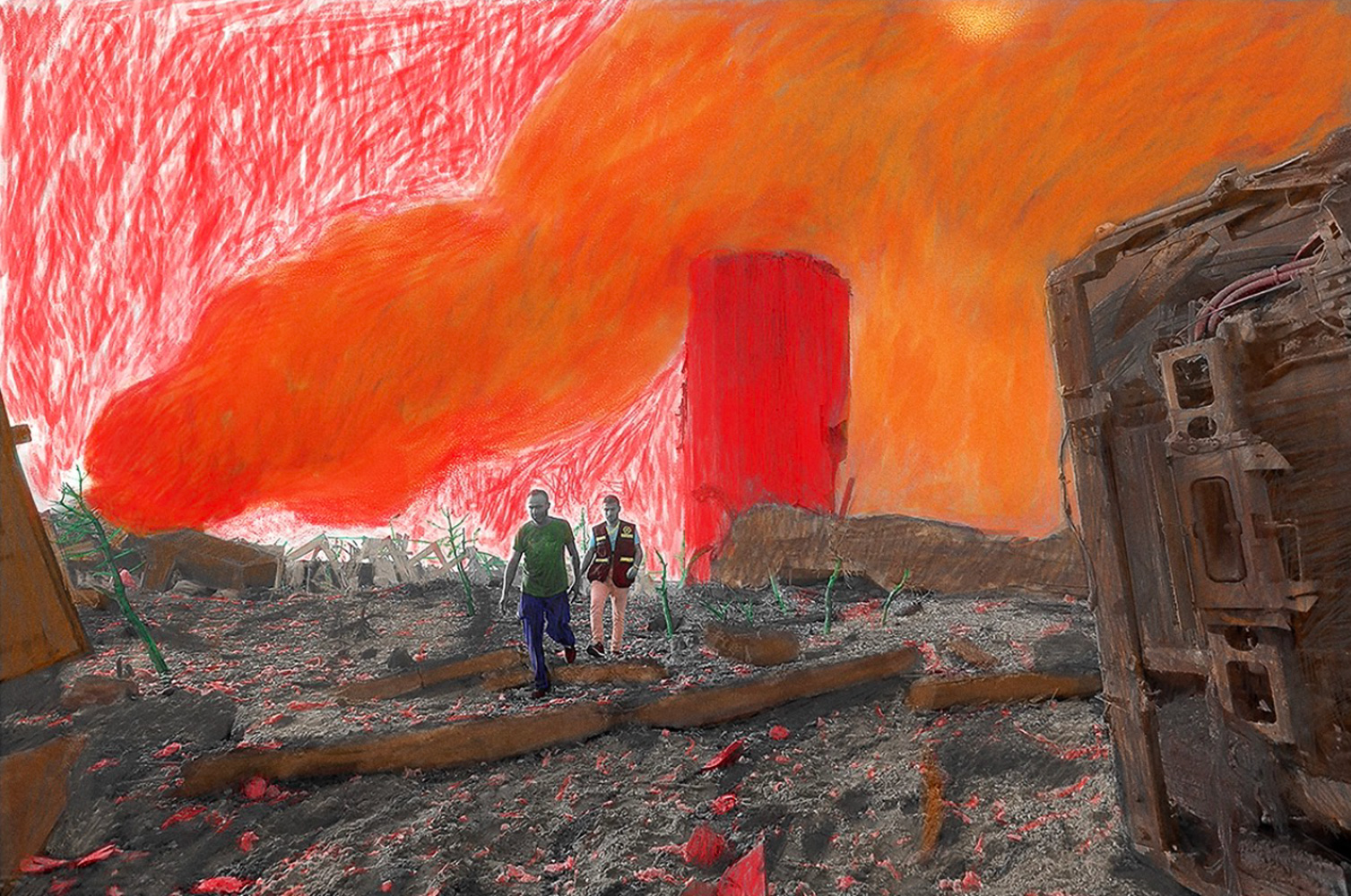
Le bonheur tue
Mitra - Pólo de Inovação Social / Pavilhão I
Beco da Mitra, 1950-051 Lisboa
10 . 10 . 2026 → 15 . 11 . 2026
thursday - sunday → 02:30 pm – 06:30 pm
Artist
Rima Samman
Born in Lebanon and based in France, Rima Samman is a multidisciplinary artist and an eclectic filmmaker. Her films are pre-acquired and broadcast on television, in galleries, museums, and cinemas. Her works have been exhibited at Paris Photo, in galleries, festivals, and contemporary art and photography fairs in France and abroad. Her works are part of the collections of the BNF, the Fondazione Orestiadi in Gibellina, and private collections in France, Spain, and the United States.
On August 4, 2020, the double explosion at the Port of Beirut shook Lebanon and the Lebanese diaspora, rekindling in everyone the anxiety and pain of being Lebanese.
What and how can one respond to such a tragedy?
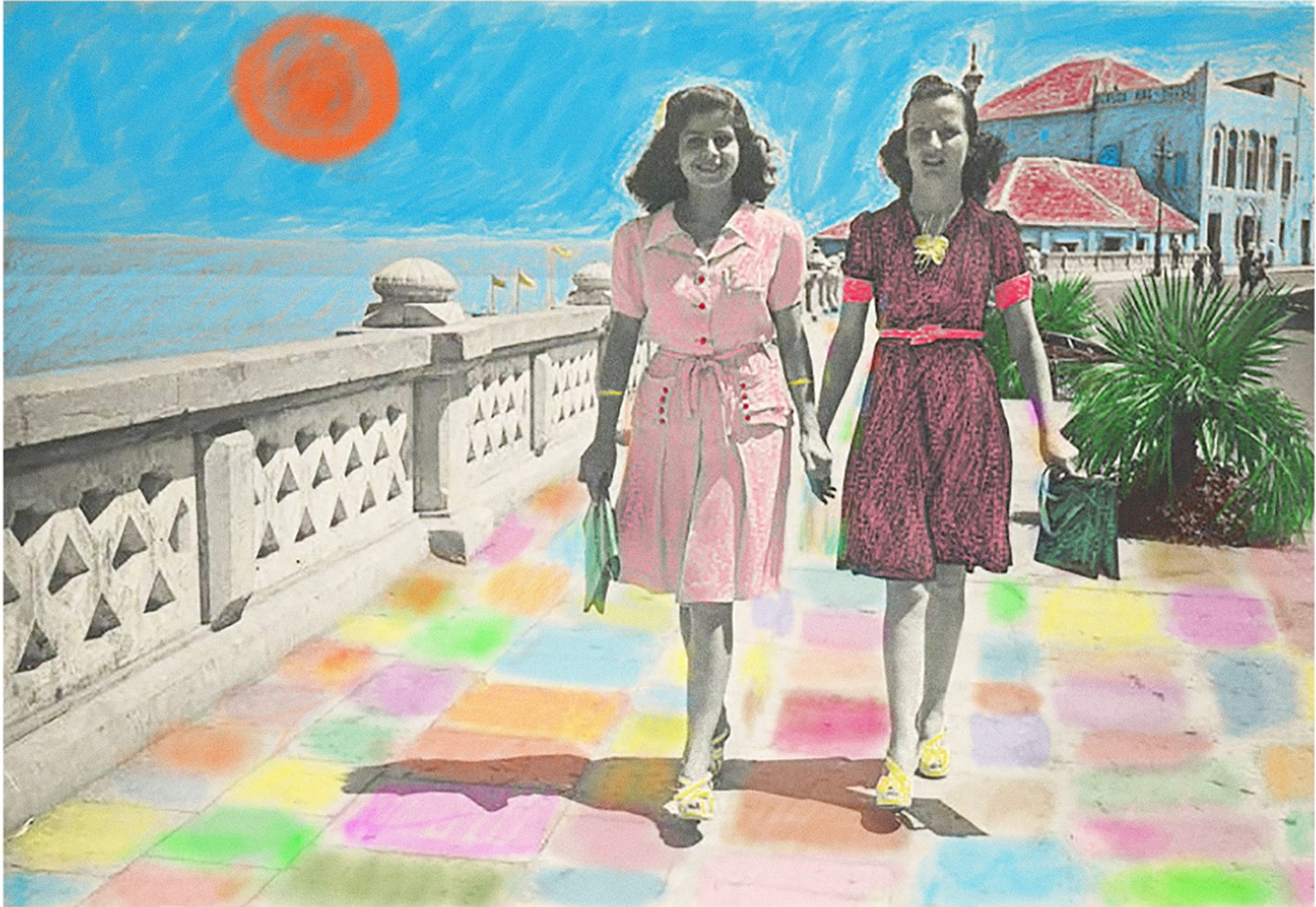
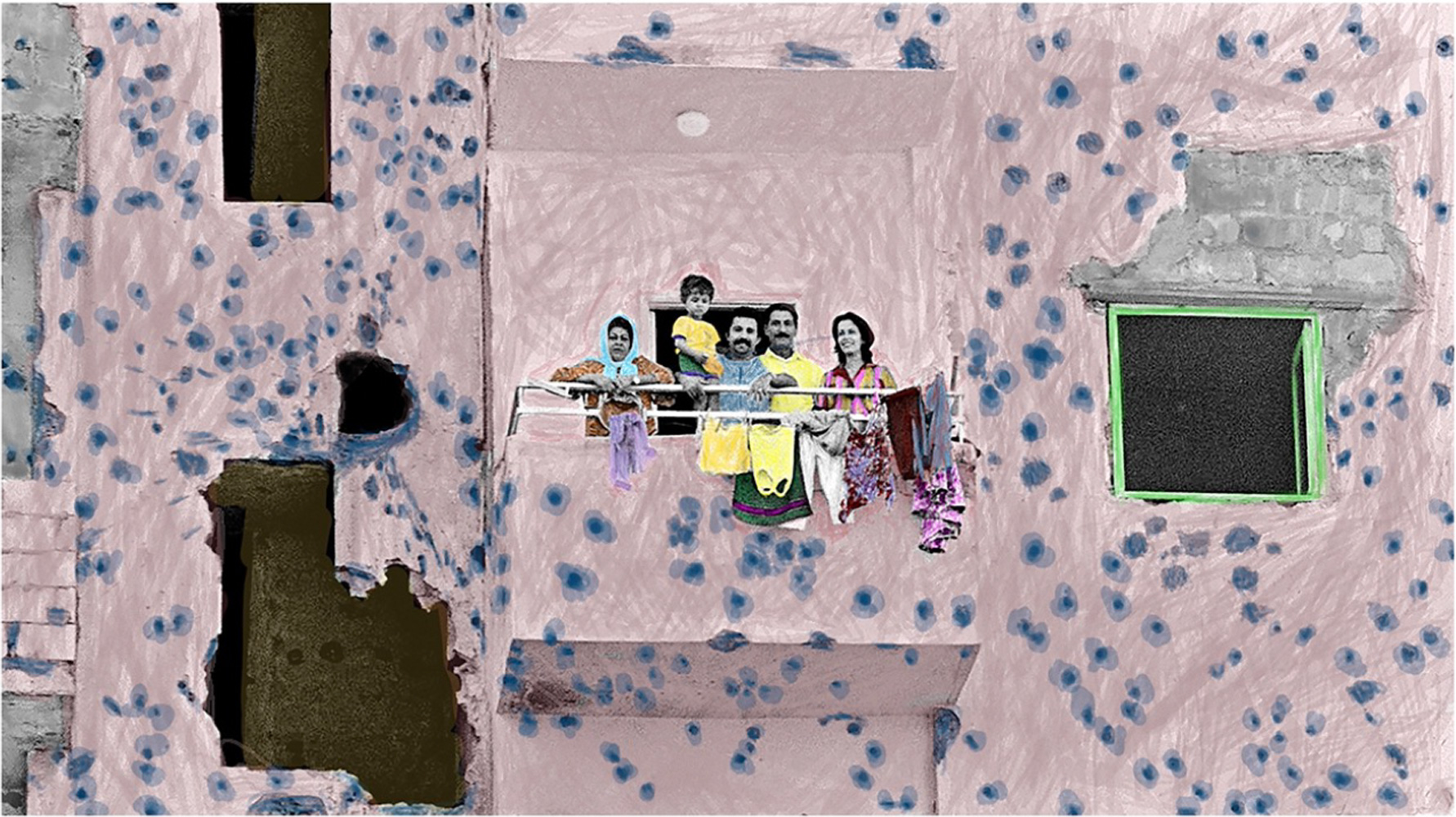
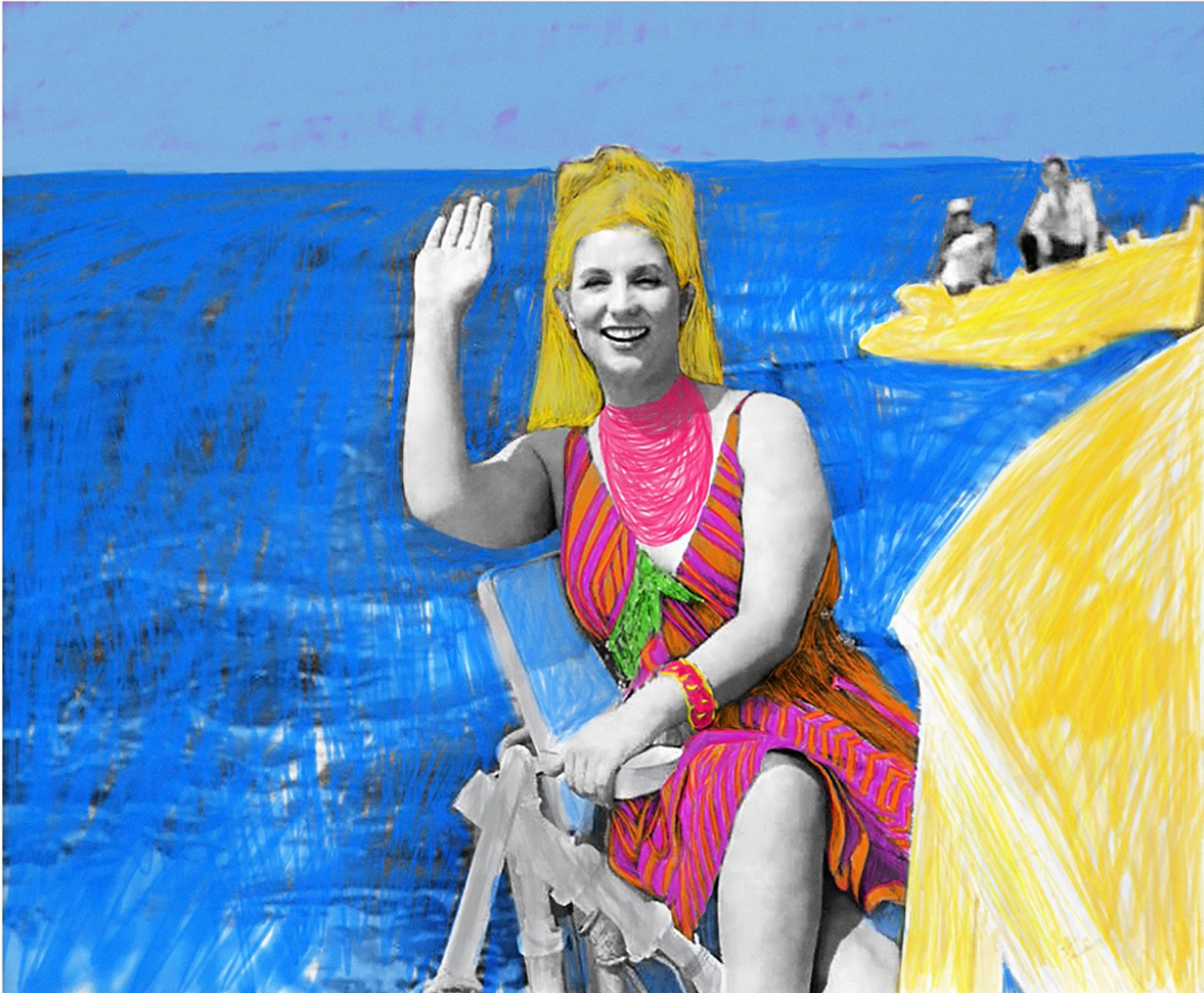
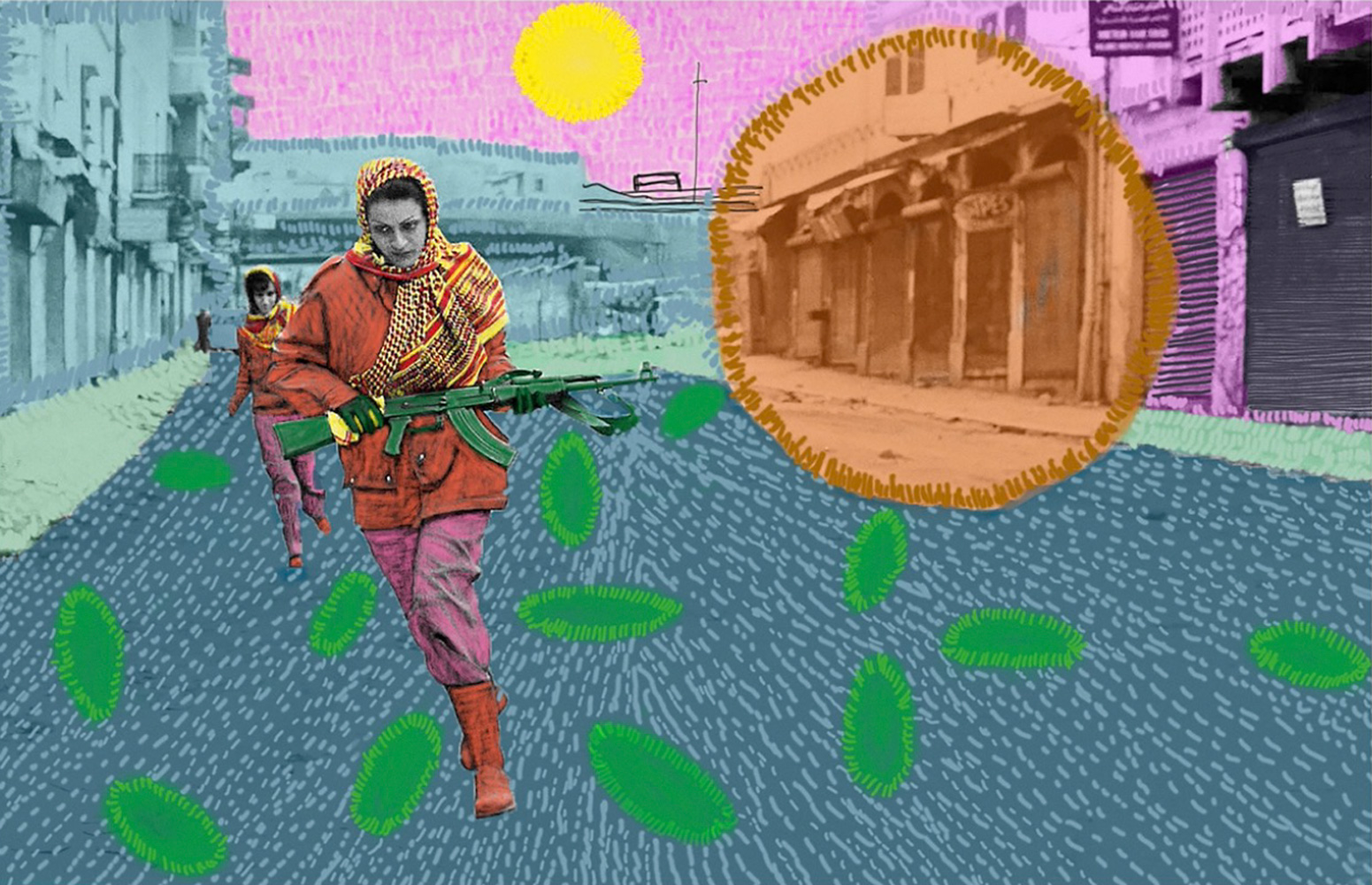
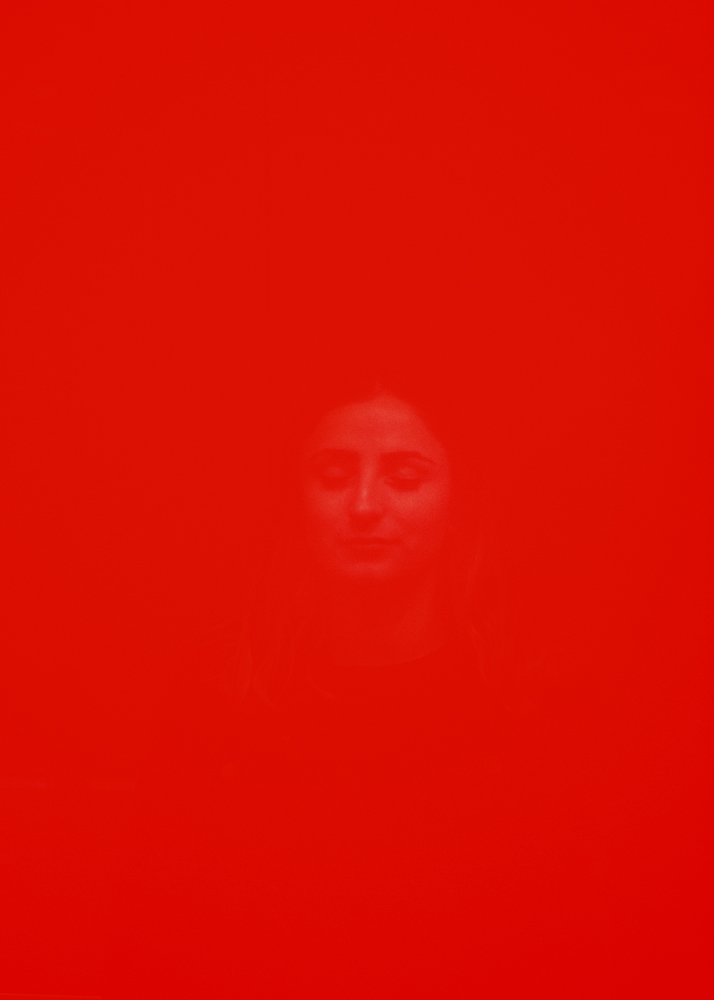
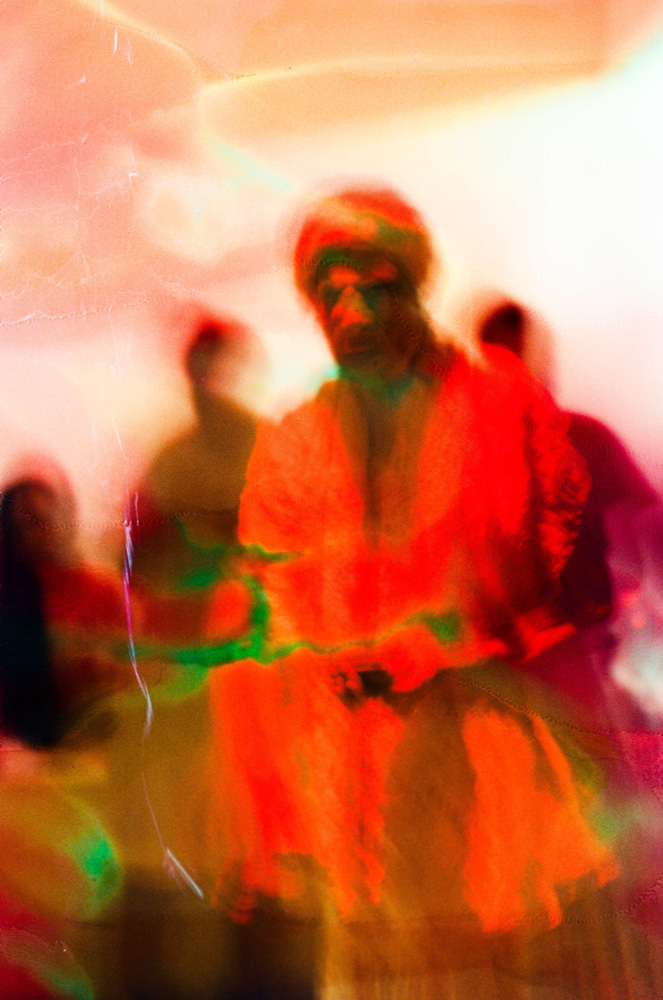
Happiness Kills was born from the need to transform press photographs depicting Lebanon at different periods of its history, in order to create a dialogue between past and present.
My parents are almost as old as Lebanon, a country repeatedly scarred. Many Lebanese have lost at least one family member during the country’s successive wars. For years, I have hand-colored my family photographs to preserve the joyful memory of a lost paradise. Published by Filigranes in a book entitled Love Is Worn Around the Neck, I now reveal what lies beyond the frame through a contrasting representation of a schizophrenic country, crossed by images of chaos that recur over time almost identically, like leitmotifs symptomatic of a morbid dysfunction.
I have spent my life fleeing the ghostly images that haunt me. There comes a time when constantly open wounds summon past suffering to exorcise the present. If not tamed, the psychological pain locked within the continuous flow of war images leads to hatred of others and of oneself.
My approach consists of blending idyllic, postcard-like images of Lebanon with news photographs depicting trauma that shatters an idealized reality. The trauma emerges from a subjective selection of images, inevitably reflecting my own emotions.
I intervene in these images by coloring them, but my intervention varies from one photograph to another. Though far apart in time, certain motifs recur with the striking similarity of the eternal return of the repressed.
For me, it is not about choosing the most spectacular images, but those that reveal human serenity or distress in the simplest and most direct way. Through their universality, they become archetypes of the madness of human tragedy—both deeply contemporary and timeless.
Newsletter
Main Sponsorship

Institutional partners











Partners









Special support

