Fleurs de Feux
Galeria IMAGO LISBOA
Rua do Vale de Santo António 50C, 1170-381 Lisboa
16 . 10 . 2026 → 14 . 11 . 2025
wednesday - saturday → 02:30 pm – 06:30 pm
Artist
Anaïs Tondeur
Anaïs Tondeur is a French visual artist. She lives and works in a forest south of Paris. Attending to invisible materialities of the air and the climate, plants and soil, she develops image-based investigations as anthropological tools. She reveals images at the interstices of bodies and environments, in sites marked by human activity where she breeds novel engagements. Graduate from Central Saint Martins and the Royal College of Art, she has exhibited her work in leading institutions across Europe, US and Asia.
Interweaving photography and ecology, botany and philosophy, this project is developed in companionship with ruderal plants in extreme soils of the Anthropocene, the Terra dei Fuochi and in the volcanic area of Vesuvius, in the Naples region.
Cultivated during an artist's residency at Spot Home Gallery, Naples under the guidance of scientists and inhabitants of the land, Fiori di Fuocho takes the form of a correspondence between the artist Anaïs Tondeur, the philosopher Michael Marder, and communities of ruderal plants which, grow in soils marked by the consequences of the incineration and burial of toxic waste in the depths of the Terra dei Fuochi.
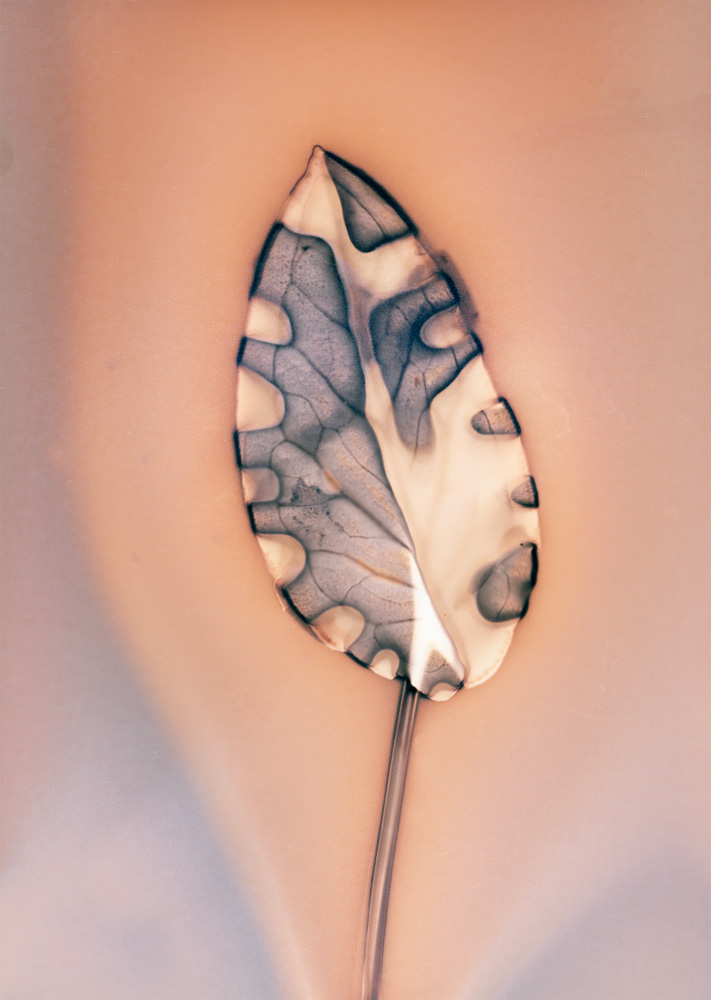
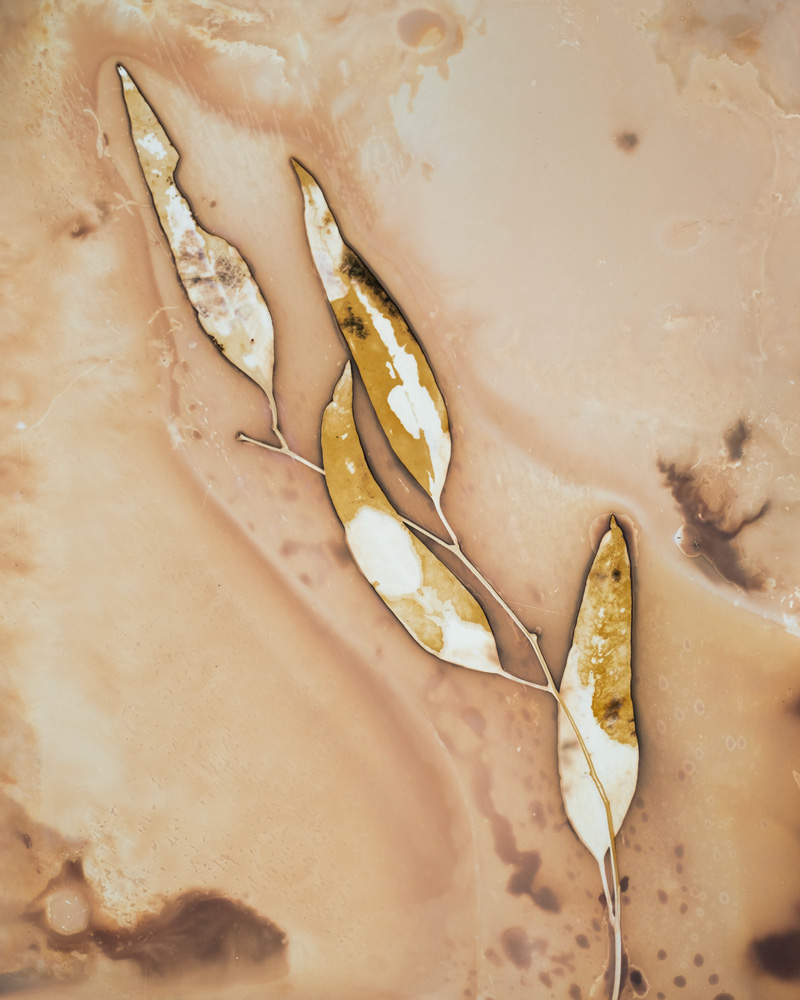
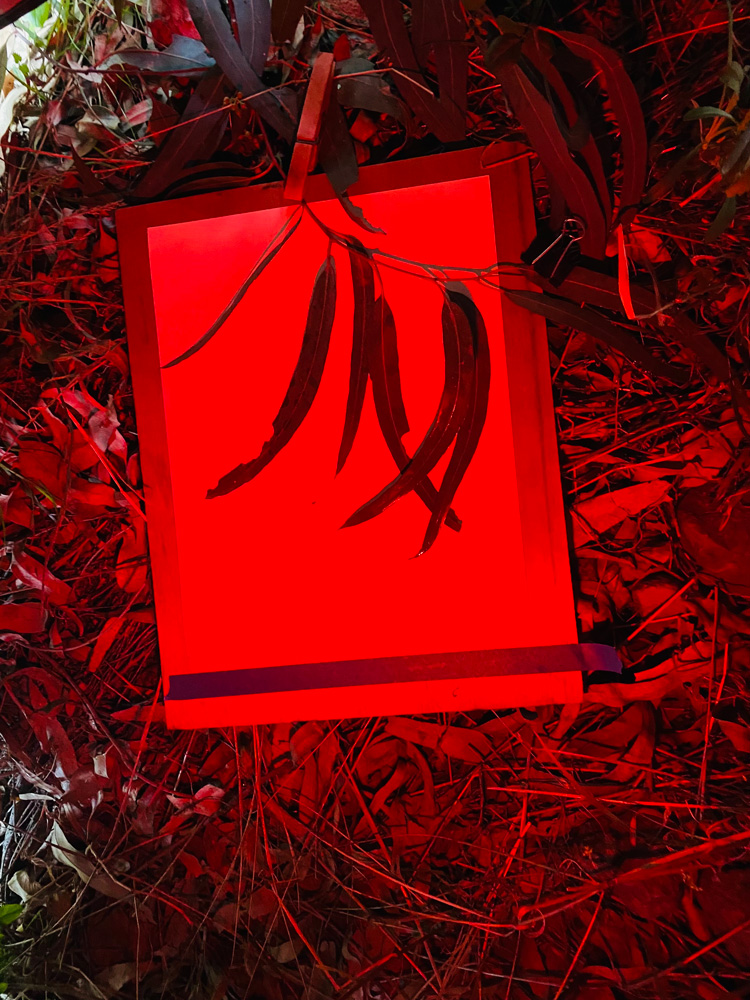
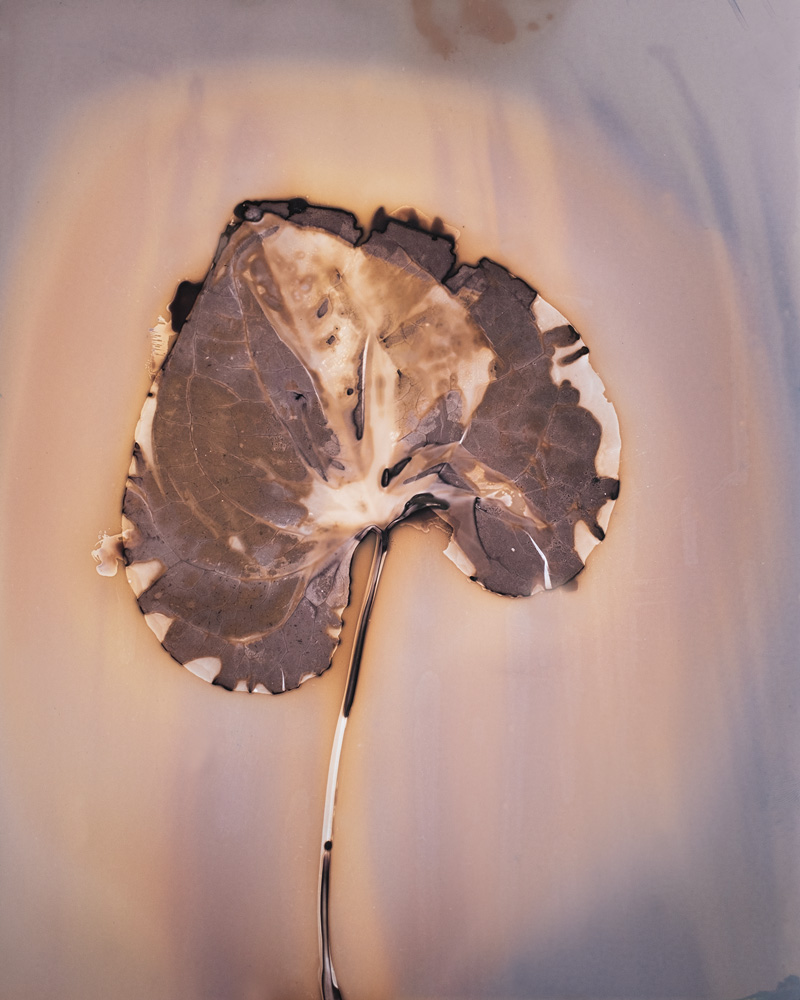
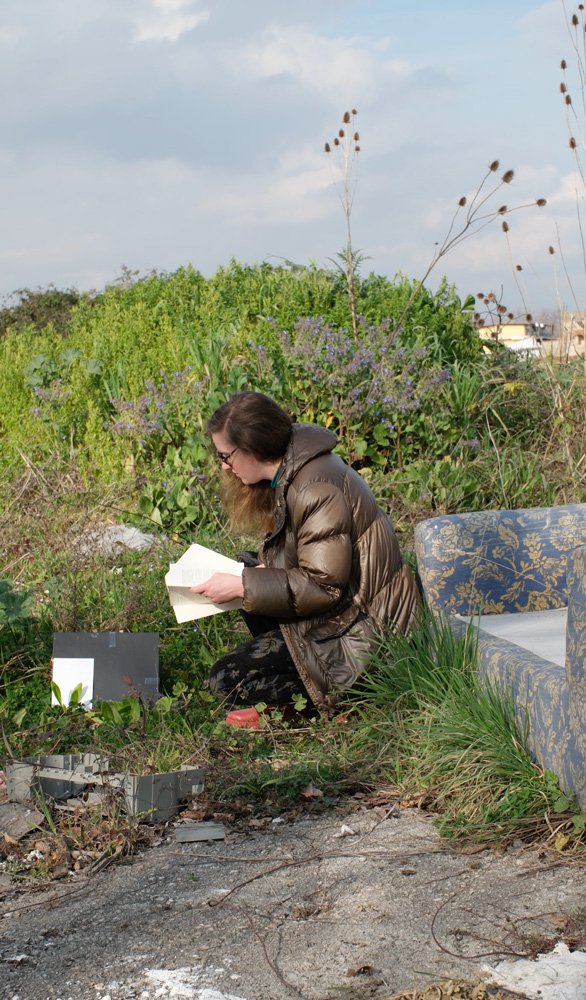
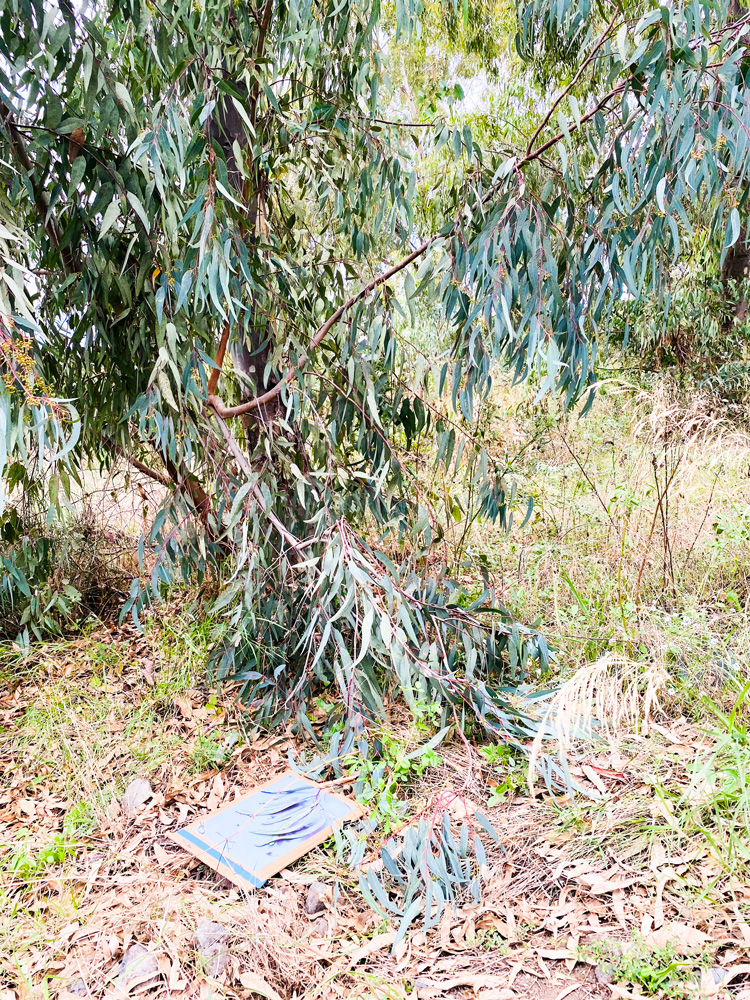
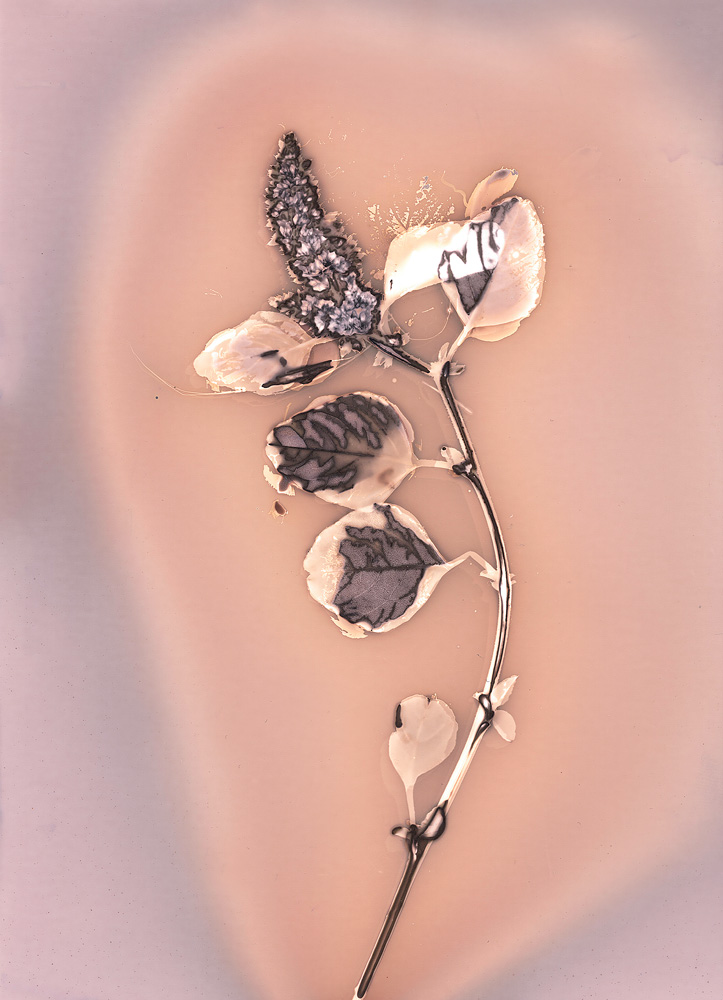
According to certain botanists, ruderal plants overproduce a molecule known as phenol when growing in heavily polluted soil. Via the photographic gesture, Anaïs Tondeur collects this excess of phenol using a process known as phytography. Without extracting the plants from their soil, she relies on sunlight to expose their bodies, and on a natural chemical reaction between the phenolic molecules and the photosensitive surface - a paper or textile collected from landfills and photosensitized to light.
Reviving the ritual of the poet and herbalist Emily Dickinson, who enclosed dried plants in her correspondence (or sometimes included her poems in flower arrangements), the photographer sends these other-than-human writings to the philosopher Michael Marder, who responds with a series of letters addressed to each plant. After receiving the letters, the photographer returns to the plant to read the philosopher's words, while collecting a new phytography of the plant.
From leaf to leaf, through words and images, these gestures are created in the sense of the medieval etymology of the term 'correspondence': 'to harmonise with', ‘to enter into a relation with”. In this way, the philosopher and the photographer open up spaces for encounters with these plants of the margins, forgotten by our ecological unconscious. In a landfill turned into an open-air photographic laboratory, they weave intimate bonds with these expressions of ecological vitality which grow in the ruins of capitalism.
Newsletter
Main Sponsorship

Institutional partners












Partners









Special support

