Carpe Diem, Houdini Is Not Dead
Espaço D'Alte
Rua de São Lázaro 154, 1150-334 Lisboa
Inauguration → 23 . 10 . 2026 → 06:00 pm
23 . 10 . 2026 → 01 . 11 . 2026
monday - saturday → 10:00 am – 07:00 pm
Artist
Miguel Rodrigues
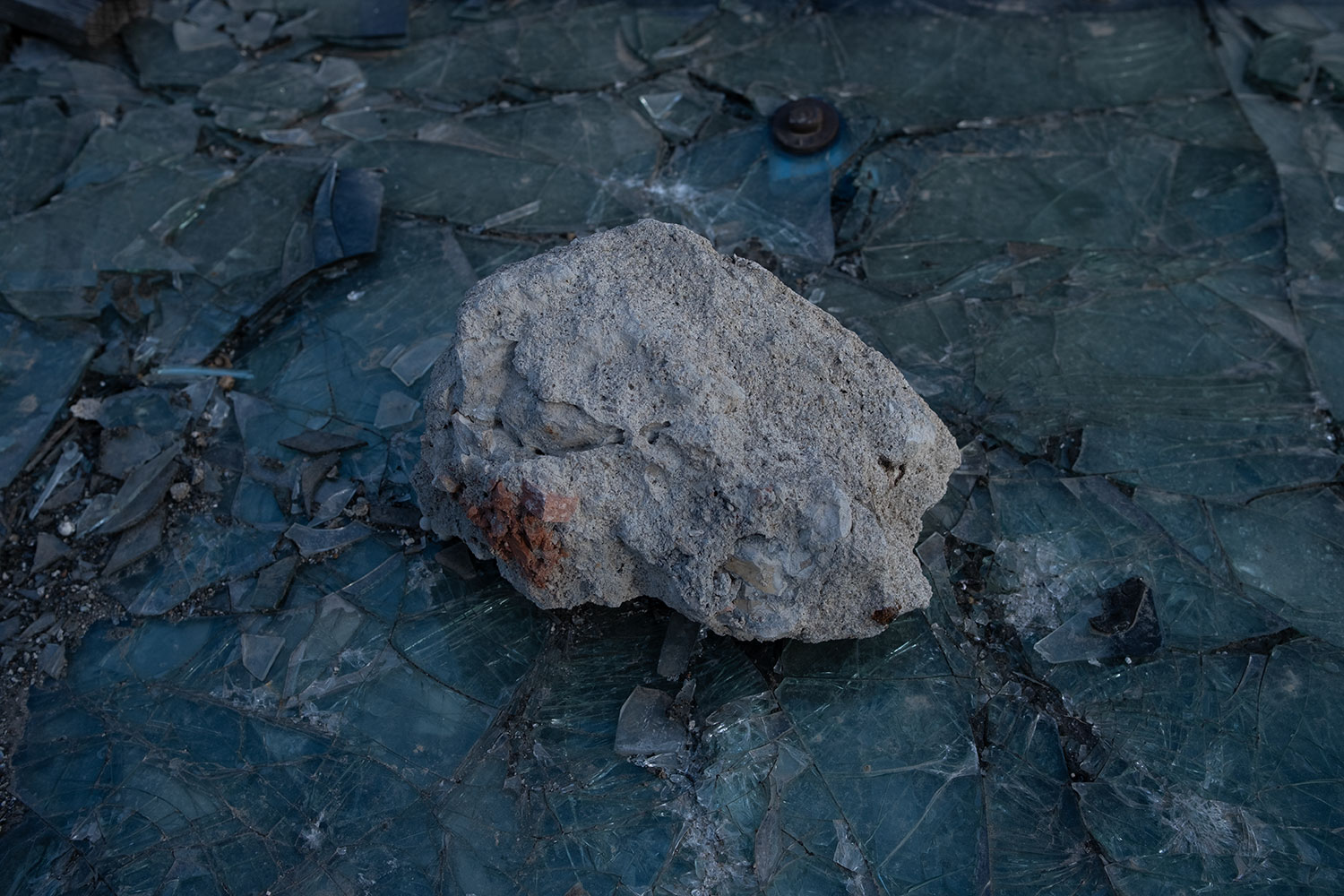
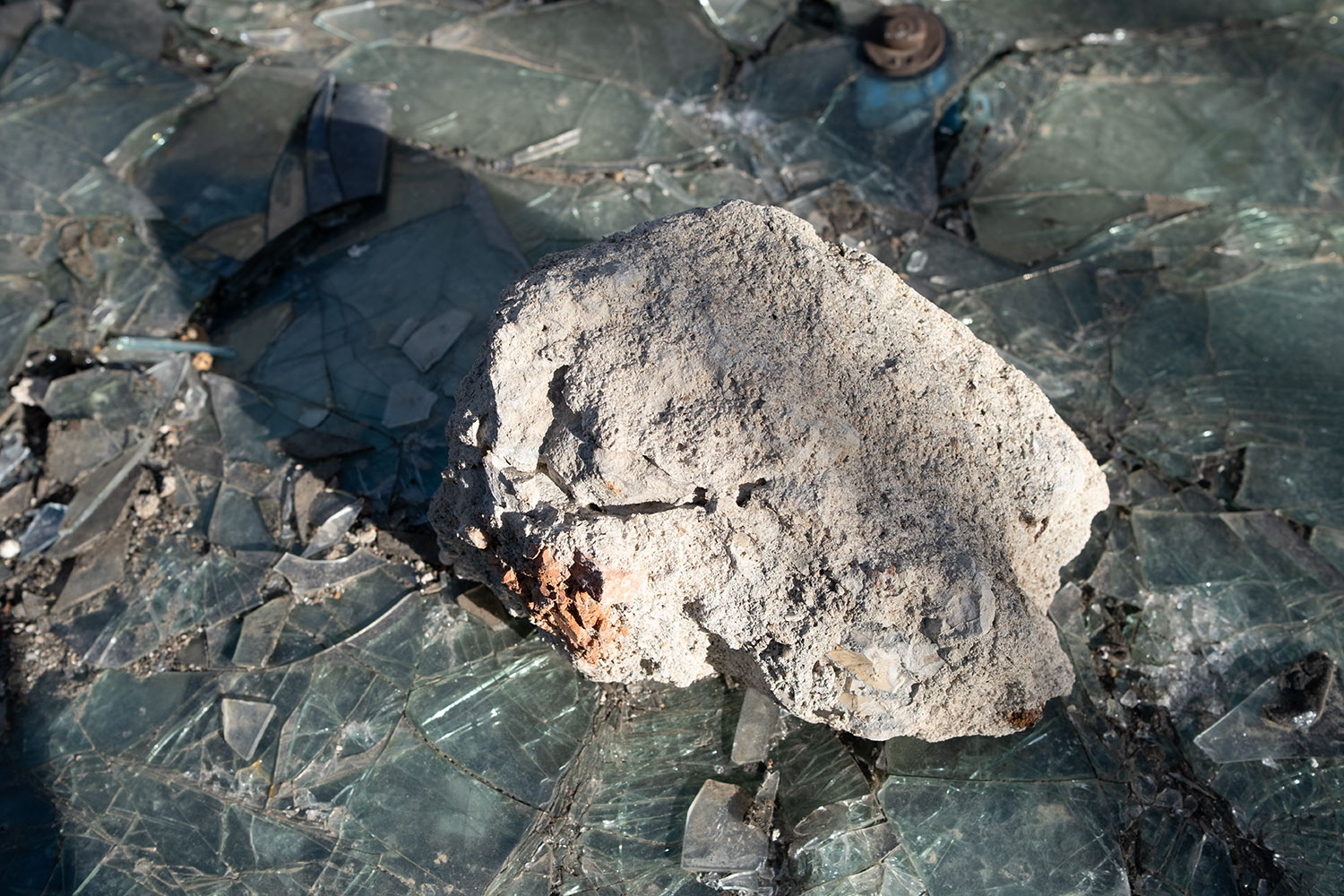
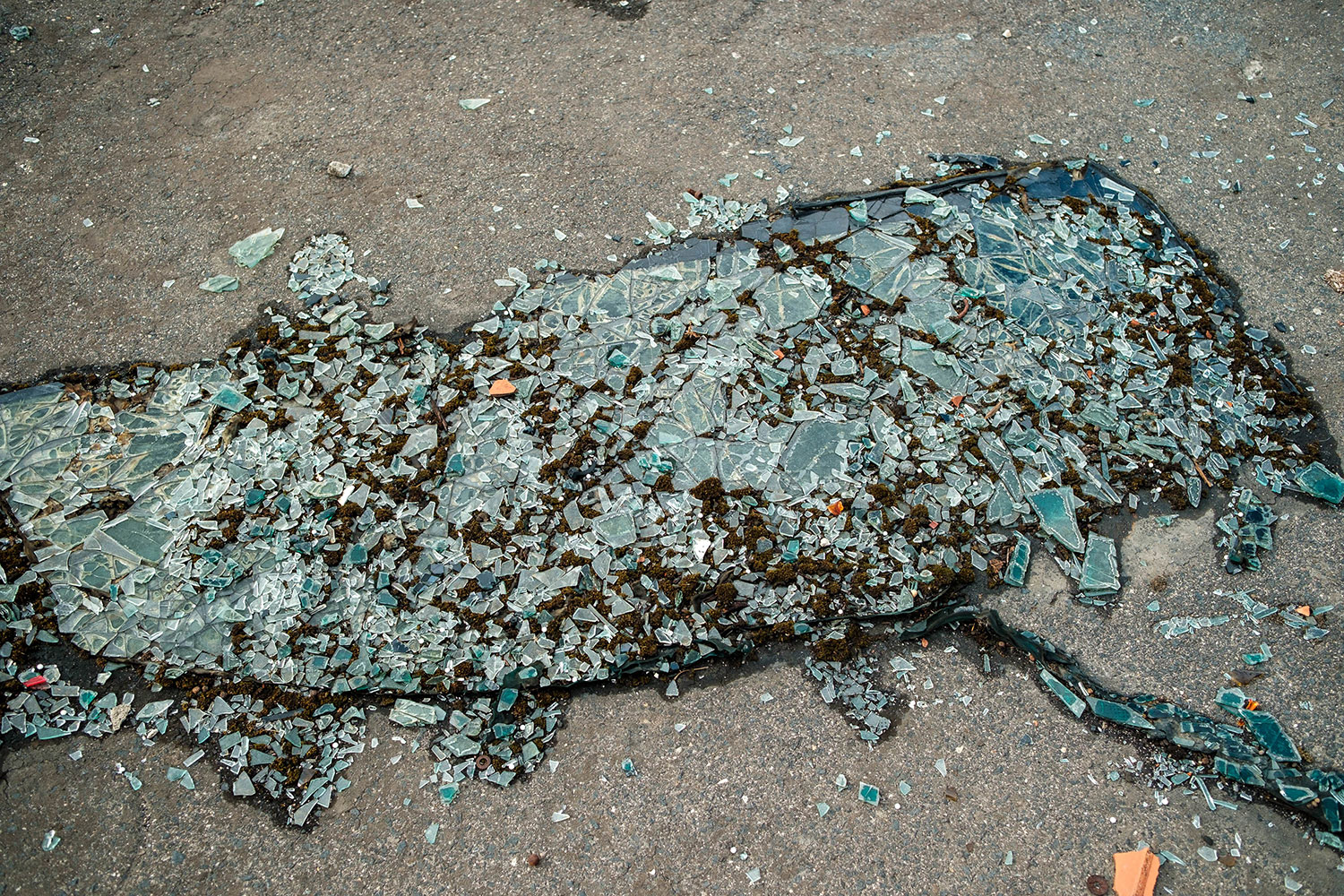
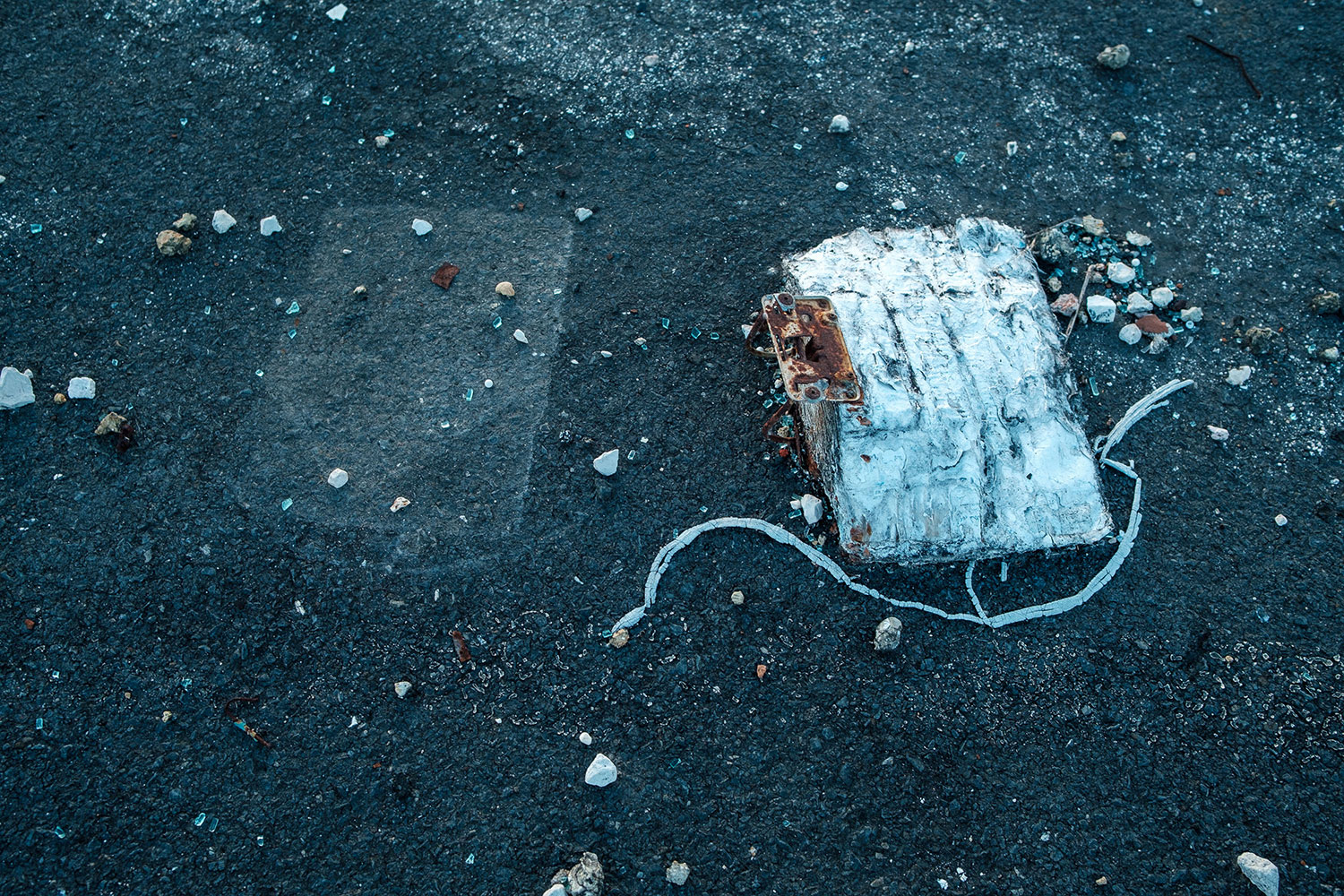
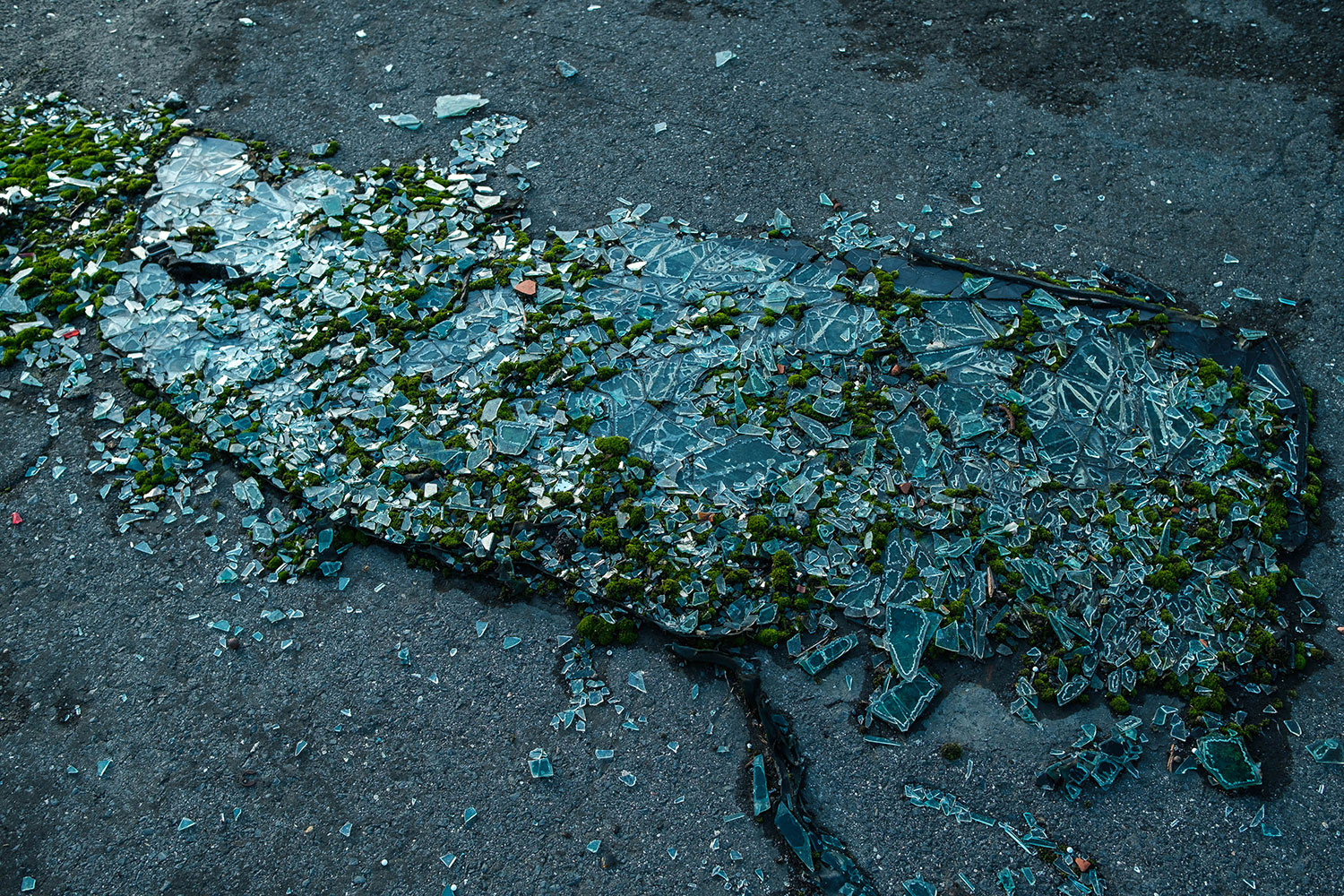
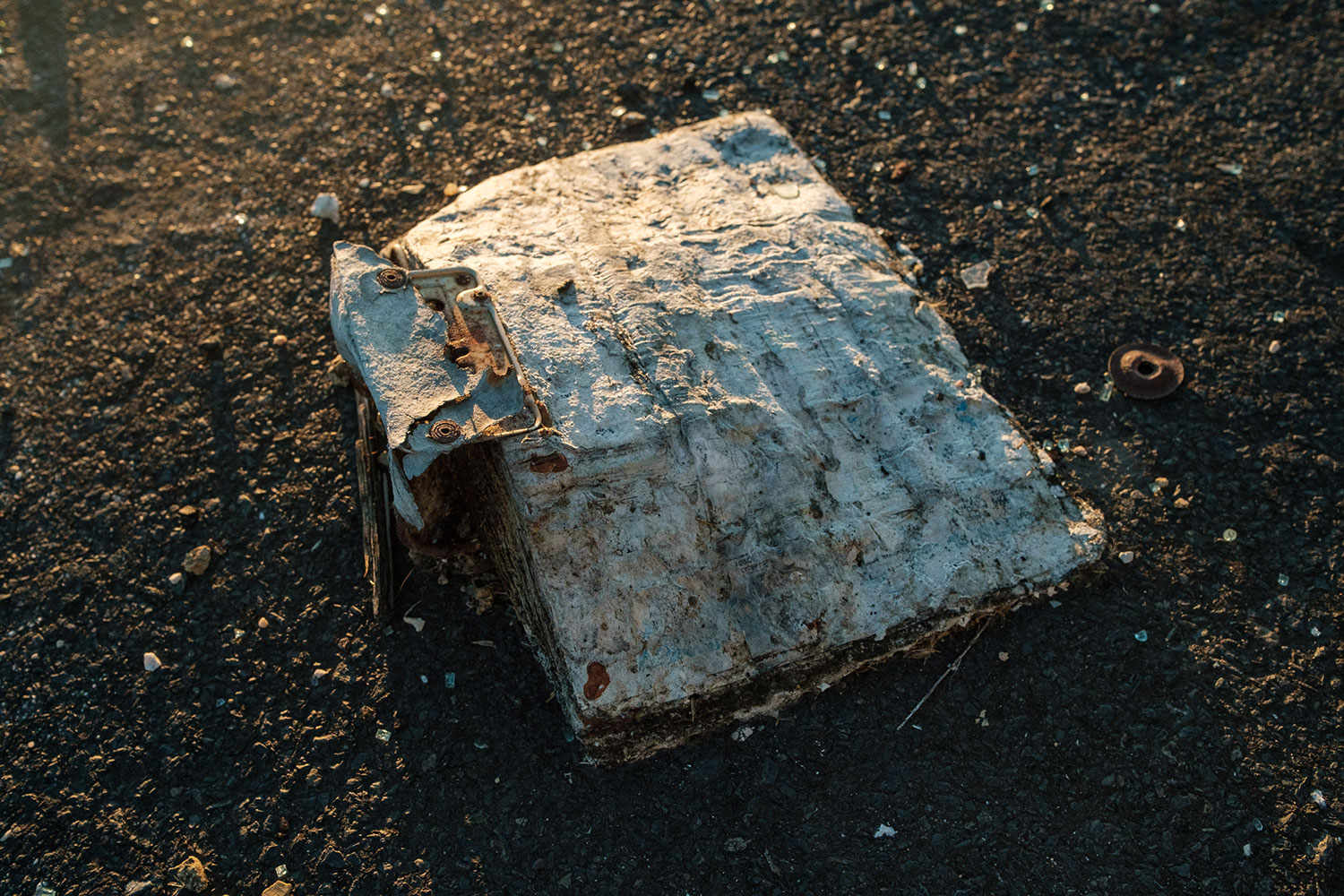
Carpe Diem, Houdini Is Not Dead is a multimedia installation in which I explore memories of my daily commutes in 2008 along a stretch of the National Road 10 between Sacavém and Vila Franca de Xira, and my attempt to photographically map these journeys. The work brings together photographic series, object-images, sculptural elements, notebooks, an object-book, a digital stream, and moving image. The photographs are sequenced, printed, exhibited, removed, marked, folded, and re-photographed, transitioning from two dimensions to four and back again, accumulating the physical traces of their circulation. Through folding, overlaying, re-photography, and motion, the work situates the images two-dimensionality within lived time and space. The project proposes a poetics of the trace, opening a space through the repetition of a question that traditional formats within documentary style and landscape can no longer answer: what happens when the record of a routine fails to restore the performative repetition that sustains it? In the duration of lived experience, each repetition reconnects body, space, and time; in representation, this continuity fragments. This tension remains unresolved, eschewing the construction of a "complete" document or a totalized landscape. Instead, the exhibition space itself is constituted through movement, inviting a dialogue between perceived and represented space. The audience is invited to re-encounter this repetition, bridging the gaps created by the images. Engaging with the work demands a heightened self-awareness—an attention to one's own body position, movement, duration, and perceptual shifts.
Newsletter
Main Sponsorship

Institutional partners












Partners








Special support

