New Cartographies
Galeria de Santa Maria Maior
R. da Madalena 147, 1100-006 Lisboa
Inauguration → 14 . 10 . 2026 → 06:30 pm
14 . 10 . 2026 → 07 . 11 . 2026
monday - saturday → 03:00 pm – 08:00 pm

Curated by
Paul Di Felice
Paul di Felice lives and works between Luxembourg and Venice. He holds a PhD in Arts and has taught art history at the University of Luxembourg, where his research focused on the interrelations between photography and contemporary art.
Since the 1970s, he has pursued a wide range of activities as an artist, art critic, and curator of international exhibitions of contemporary photography. He is co-founder and co-director of Café Crème édition & médiation (since 1984), co-founder of MAI photographie & art contemporain, and a founding member of the editorial board of lacritique.org. He has been a consultant curator for the Arendt Art Collection since 2003 and a board member of the IACCCA (International Association of Corporate Collections of Contemporary Art) since 2018. He was a former vice chair of the board of MUDAM museum in Luxembourg.
Deeply involved in the development of European cultural networks, he is co-founder and president of the European Month of Photography network and co-director of EMOP Luxembourg. He is also co-founder and president of the associations Art as Experience in Luxembourg and Oculus Foto Festival in Venice. In addition, he is co-founder and vice-president of the Lët’z’Arles association (LUPA-Luxembourg Photography Award) and a member of AICA Luxembourg (International Association of Art Critics).
Rethinking Photography : New Cartographies
In an era marked by rapid technological change, shifting geopolitical landscapes, and the complex layering of histories, contemporary photography is evolving beyond the frame of the traditional camera. New Cartographies brings together six artists whose experimental practices challenge and expand the very definition of photography, creating new ways to explore light, memory, identity, and the mediation of reality.
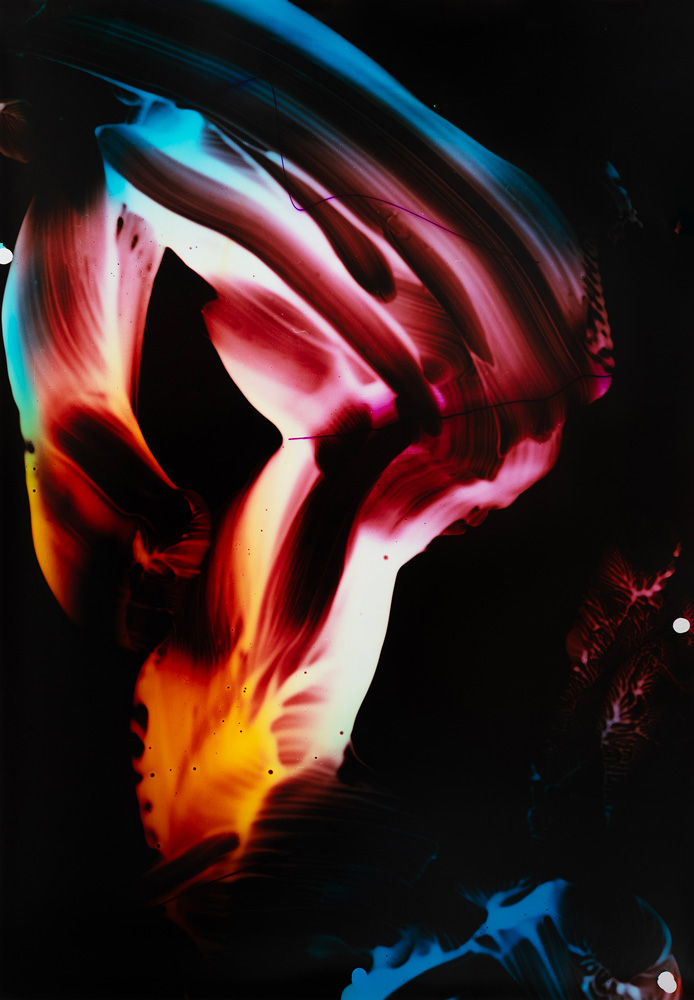
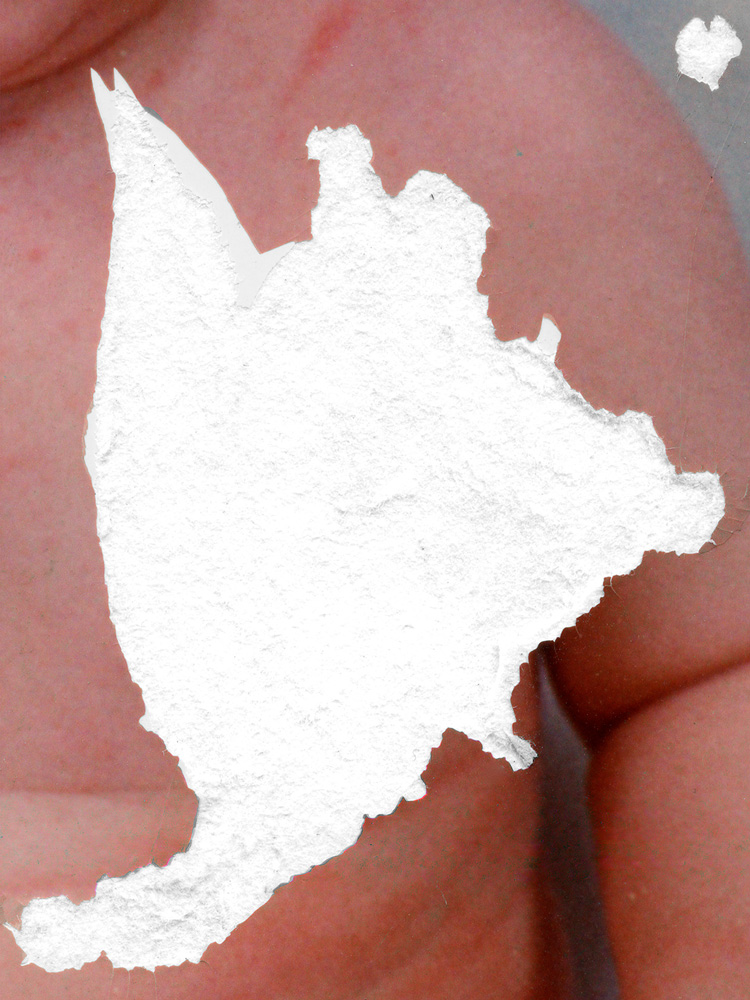
Marta Djourina deconstructs photography’s origins by engaging directly with the materiality of light. Her "painterly" images emerge without the use of a camera, utilizing techniques such as light-sensitive emulsions, pinhole exposures on objects, and collaborations with bioluminescent organisms. In doing so, she reinvents the act of image-making as a performative and poetic process that foregrounds the ephemeral nature of light itself.
Serge Ecker’s practice engages with urban transformation and new technologies to explore themes of production, memory, and improvisation. His Murmurae series, deeply intertwined with AI and algorithmic processes, investigates the evolving relationship between human perception and machine intelligence. Through these works, Ecker probes the possibilities and ambiguities of digital translation, reconstruction, and capture, raising critical questions about how artificial intelligence reshapes our understanding of reality and representation.
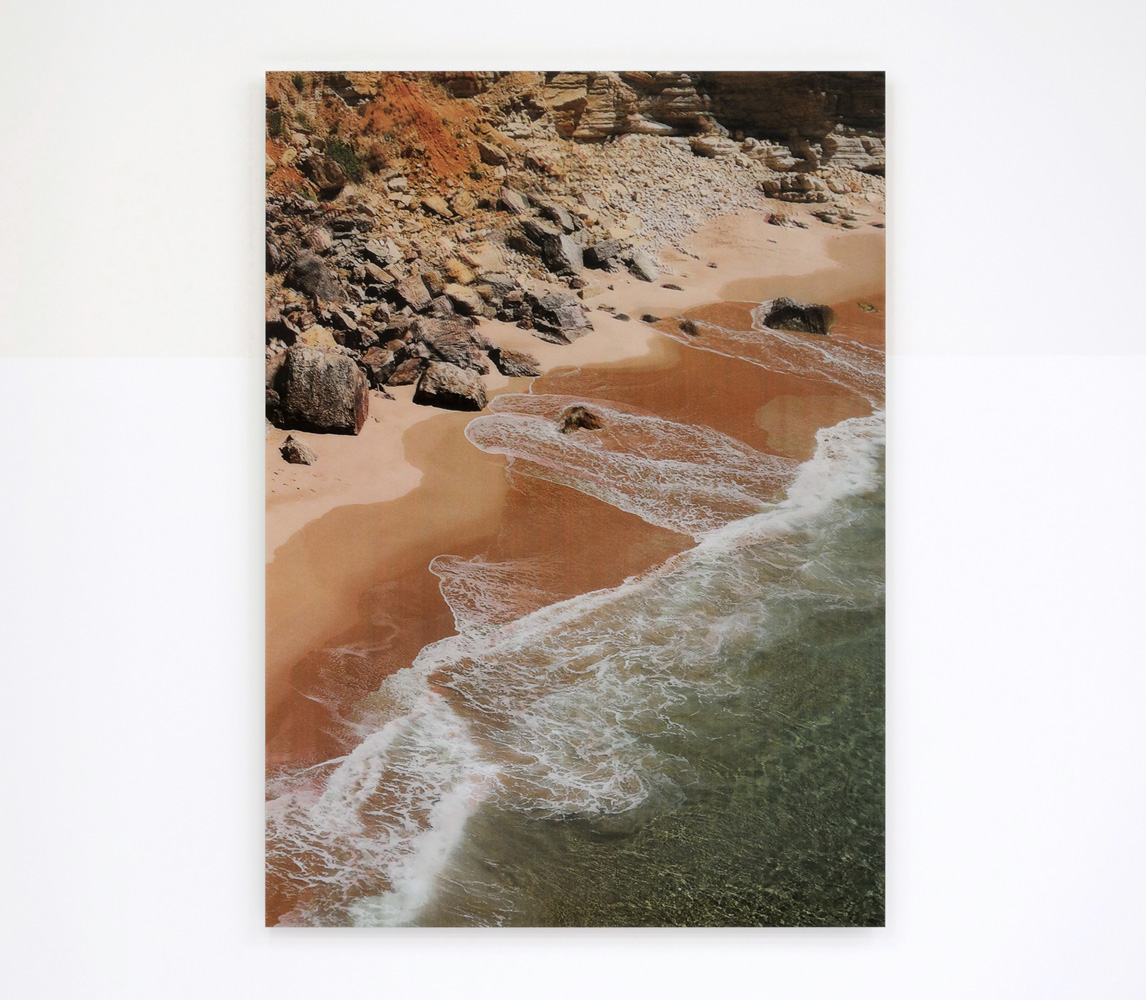
Marco Godinho offers a poetic exploration of displacement, language, and geography through a nomadic artistic language developed over two decades. His installations, videos, writings, and photographs are acts of walking, mapping, and storytelling. In this exhibition, Godinho’s innovative use of lenticular photography adds a dynamic dimension to his work, reflecting the shifting nature of memory and perception. With its capacity to show multiple images depending on the viewer’s angle, this format resonates deeply with his themes of fluid identity and temporal displacement, suggesting new ways of seeing and experiencing photographic images beyond static frames.
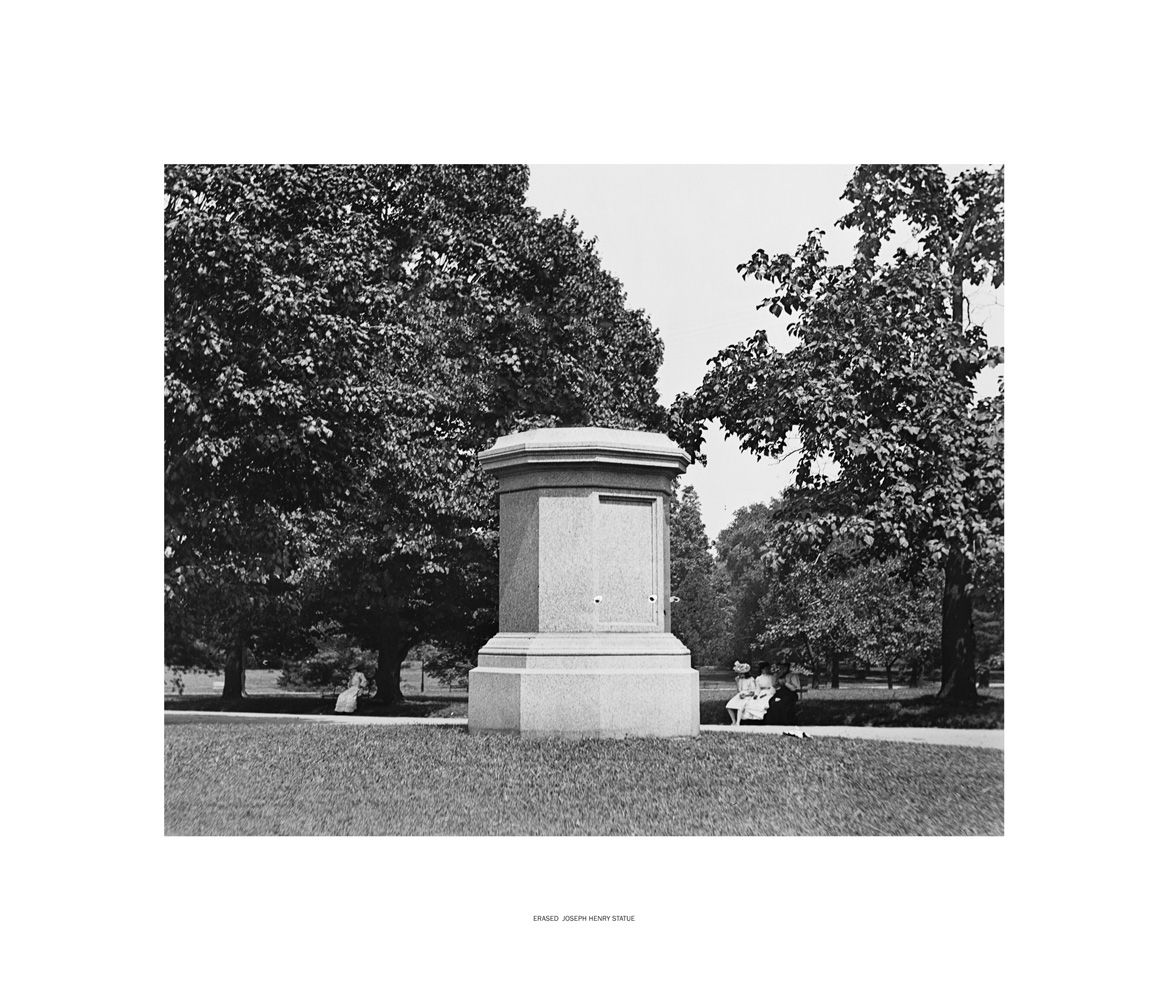
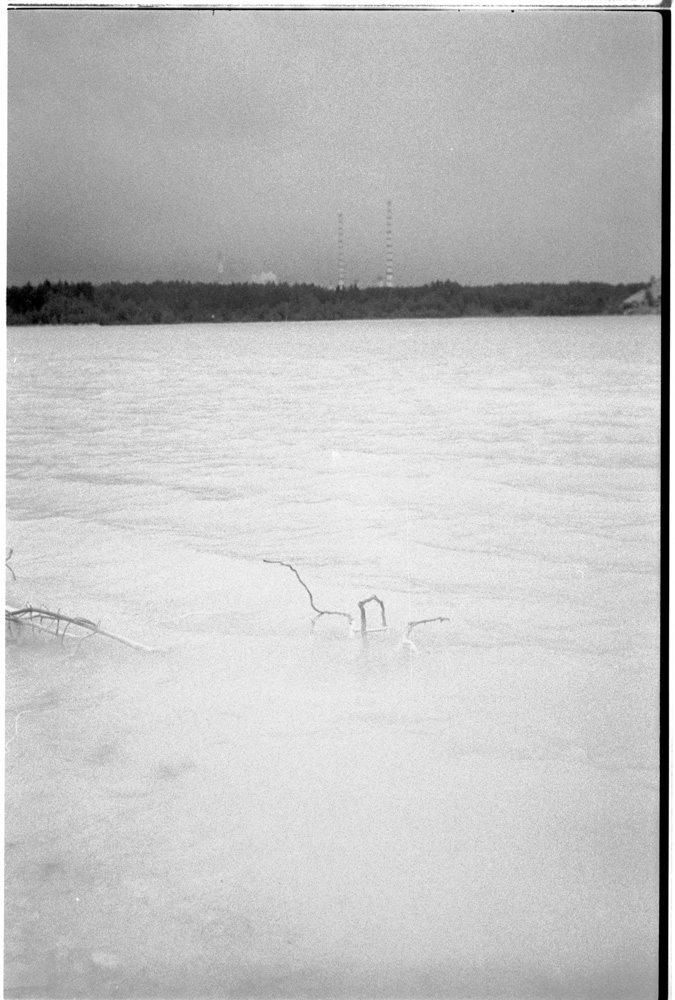
Raisan Hameed’s interdisciplinary approach spans photography, video, and installation, focusing on memory, identity, and the circulation of images in times of crisis. By rephotographing archival and found materials, he constructs fragmentary narratives that challenge the reliability of images and critique the ways history is visually mediated and contested.
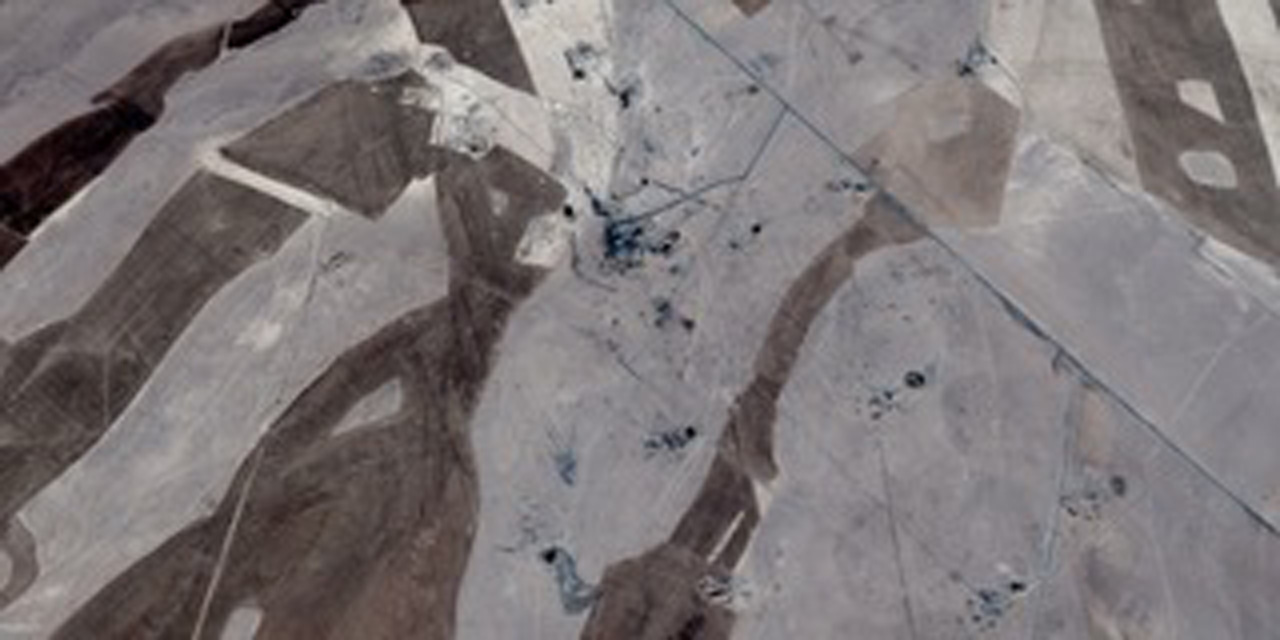
Carine Krecké’s critically charged practice interrogates systems of power, media representation, and geopolitics. Through photography, video, and research-based installations, she appropriates and recontextualizes existing data and imagery, unravelling how information is constructed and mediated in contemporary society. Her work exposes the layered mechanisms through which reality is framed and controlled.
Paolo Simão navigates the intersection of personal and collective histories through photography, blending documentary and conceptual methods. His critical engagement with archives probes post-colonial legacies and social narratives, weaving complex connections across cultures and temporalities.
Together, these artists forge new cartographies of photographic practice-mapping light, memory, power, and technology in innovative ways that expand the possibilities of the medium and reflect the intricate textures of contemporary experience.
Artistas
Newsletter
Main Sponsorship

Institutional partners






Partners





Special support

