Blind Memory (The Eyes of the Tiger)
Galeria de Santa Maria Maior
R. da Madalena 147, 1100-006 Lisboa
14 . 10 . 2026 → 07 . 11 . 2026
monday - saturday → 03:00 pm – 08:00 pm
Artist
Marco Godinho
A narrative woven with poetic imagery runs through Marco Godinho’s conceptual practice, shaping works that invite the viewer into an active relationship with time and perception. Drawing on his Luxembourgish-Portuguese background, the artist explores how memory and experience are constructed through shifting perspectives. In several pieces, he uses lenticular photography to create multidimensional images that transform according to the viewer’s position, producing a dynamic interplay between appearance and disappearance.
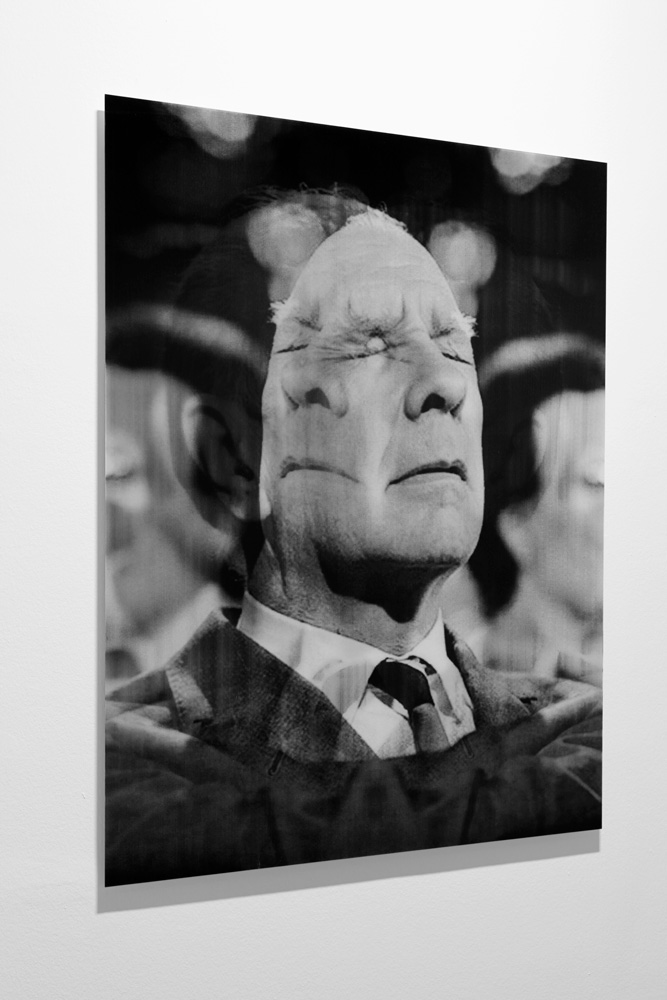
Blind Memory - The Eyes of the Tiger exemplifies this approach. Based on a 1969 photograph of Jorge Luis Borges by Eduardo Comesaña, the work presents a double portrait that only fully emerges through the viewer’s movement. As the images overlap, a new form appears at their intersection: a shadowy “third eye.” This visual phenomenon echoes Borges’ fascination with time, symbolized in his work by the figure of the tiger.
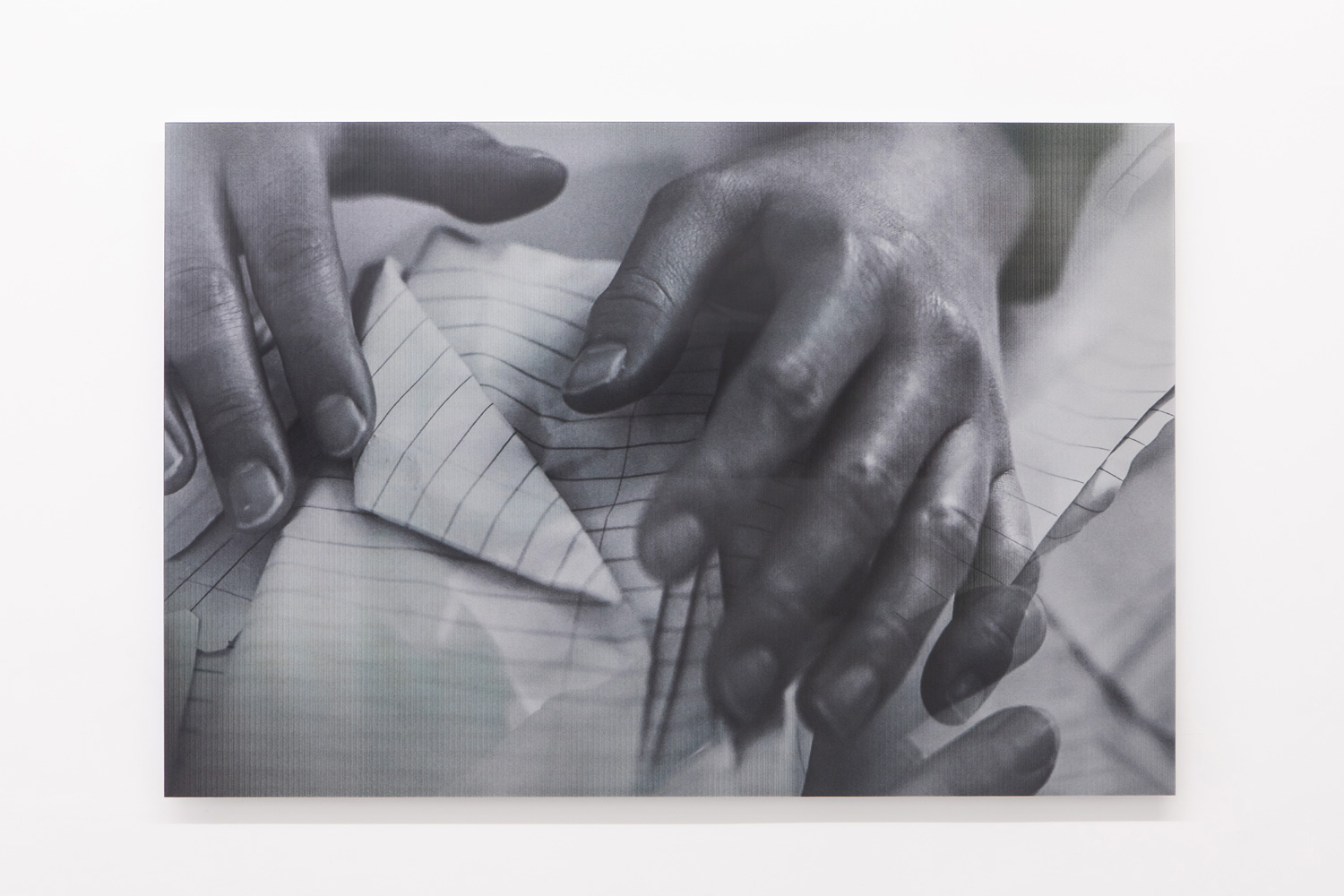
In the most recent work of this series, the artist extends this reflection beyond vision itself. A blind person is invited to touch the notebooks Written by Water, originally created for the 2019 Venice Biennale, where Godinho represented Luxembourg. Through this gesture, touch—and more broadly all the senses—becomes central, allowing perception to move beyond sight as the dominant mode of experience. The work thus proposes an alternative way of seeing, where memory, time, and meaning are formed through a multisensory engagement with the world.
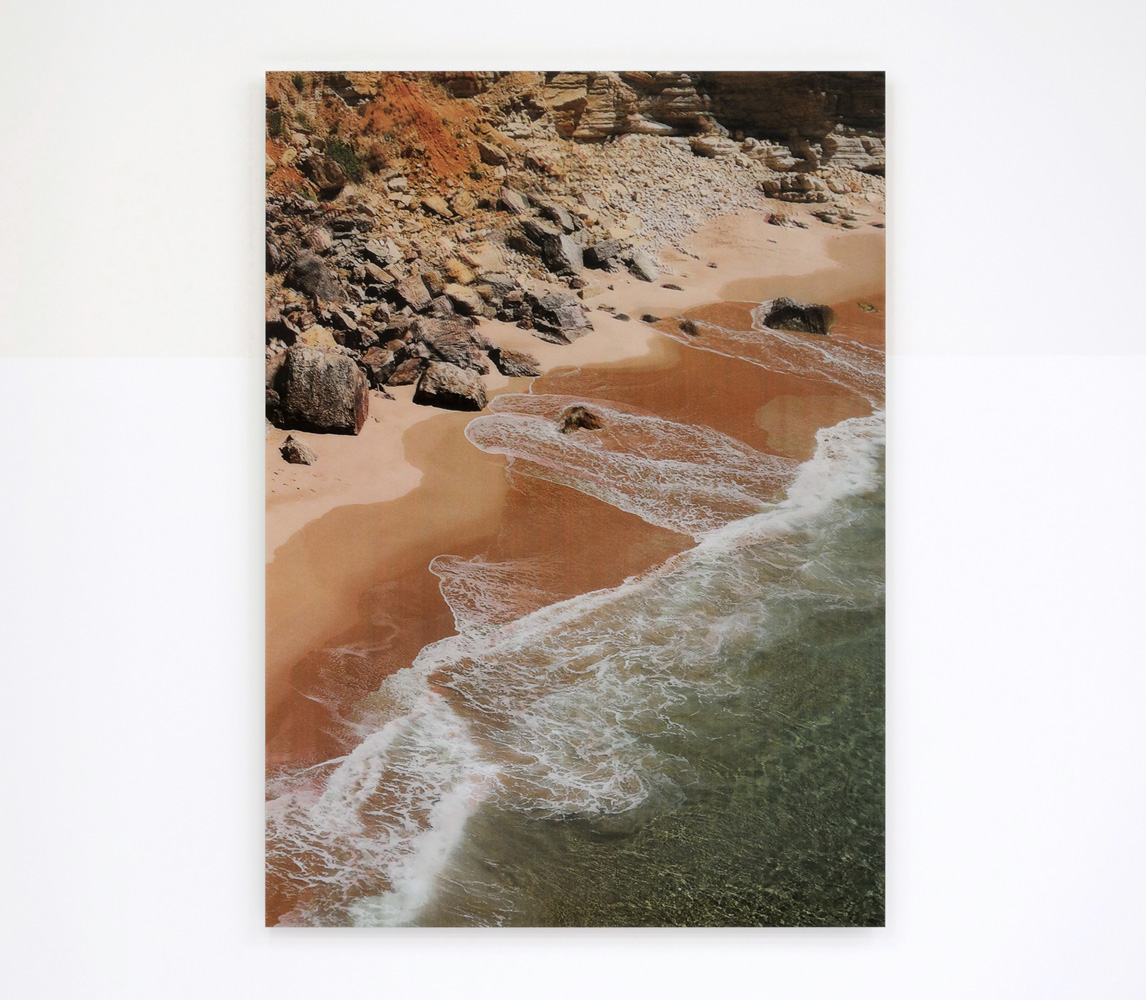
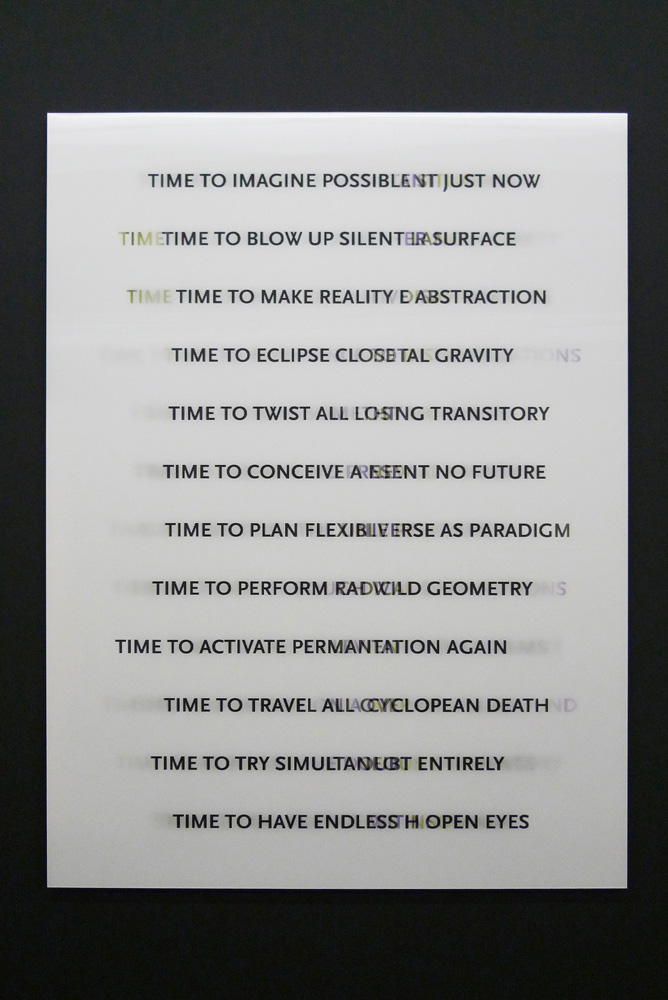
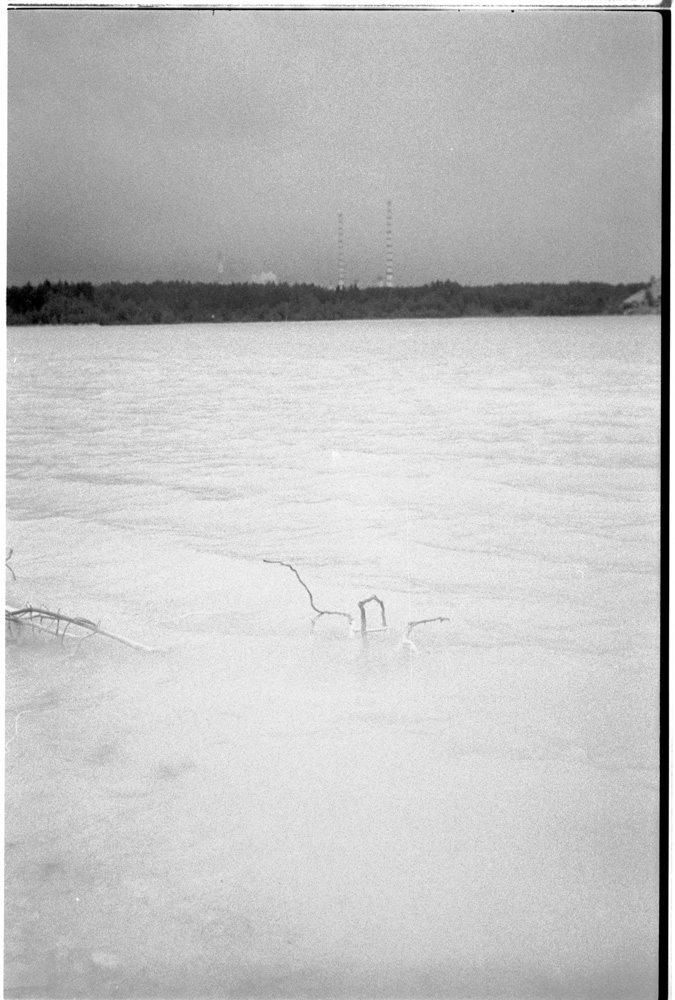
In another work, poetry itself becomes a shifting structure, where words are interchangeable and move according to the displacement of the body. The body becomes a measure, and through its position in space it activates action and meaning. In a further piece, the landscape is transformed into a shifting frame of perception, where margins become active zones of experience, revealing fragile boundaries through which we apprehend the world. This idea extends into a series of photographs made in Sagres, southern Portugal, where landscape becomes both subject and perceptual threshold, a space where geography, and memory interact.
Newsletter
Main Sponsorship

Institutional partners












Partners








Special support

