The Pencil of Nature
SNBA - Sociedade Nacional de Belas Artes
Rua Barata Salgueiro 36, 1250-044 Lisboa
Inauguration → 05 . 11 . 2026 → 06:30 pm
05 . 11 . 2026 → 05 . 12 . 2026
monday - friday → 12:00 pm – 07:00 pm
saturday → 02:00 pm – 07:00 pm
Closed on Sundays and public holidays.
Curated by
Elina Heikka
The Pencil of Nature
Traditionally, birds and other wild animals have been preferred subjects of nature photographers. Exotic animals, rare species, and unusual natural phenomena have been particularly sought-after subjects. It is often said that the nature photographer is like a hunter pursuing their prey with a camera. For this type of photographer, technical perfection is a fundamental element, and generally the aim is to create the illusion of untouched nature.
In recent years, within the field of artistic photography, there has been intense reflection on the ways in which nature is represented. Does the relationship between the photographer and their subject inevitably reproduce the dominant position of human beings and their indifference towards nature? How might we represent nature differently, through a more egalitarian relationship? How can we make evident that we, as human beings, are part of nature and, ultimately, entirely dependent upon it? That we are merely one species among many?
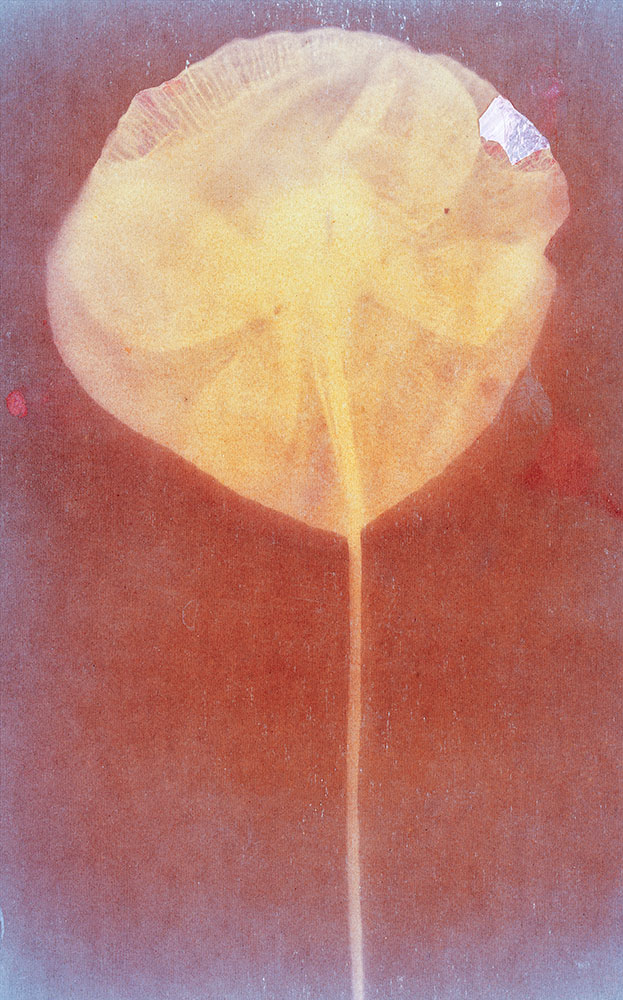
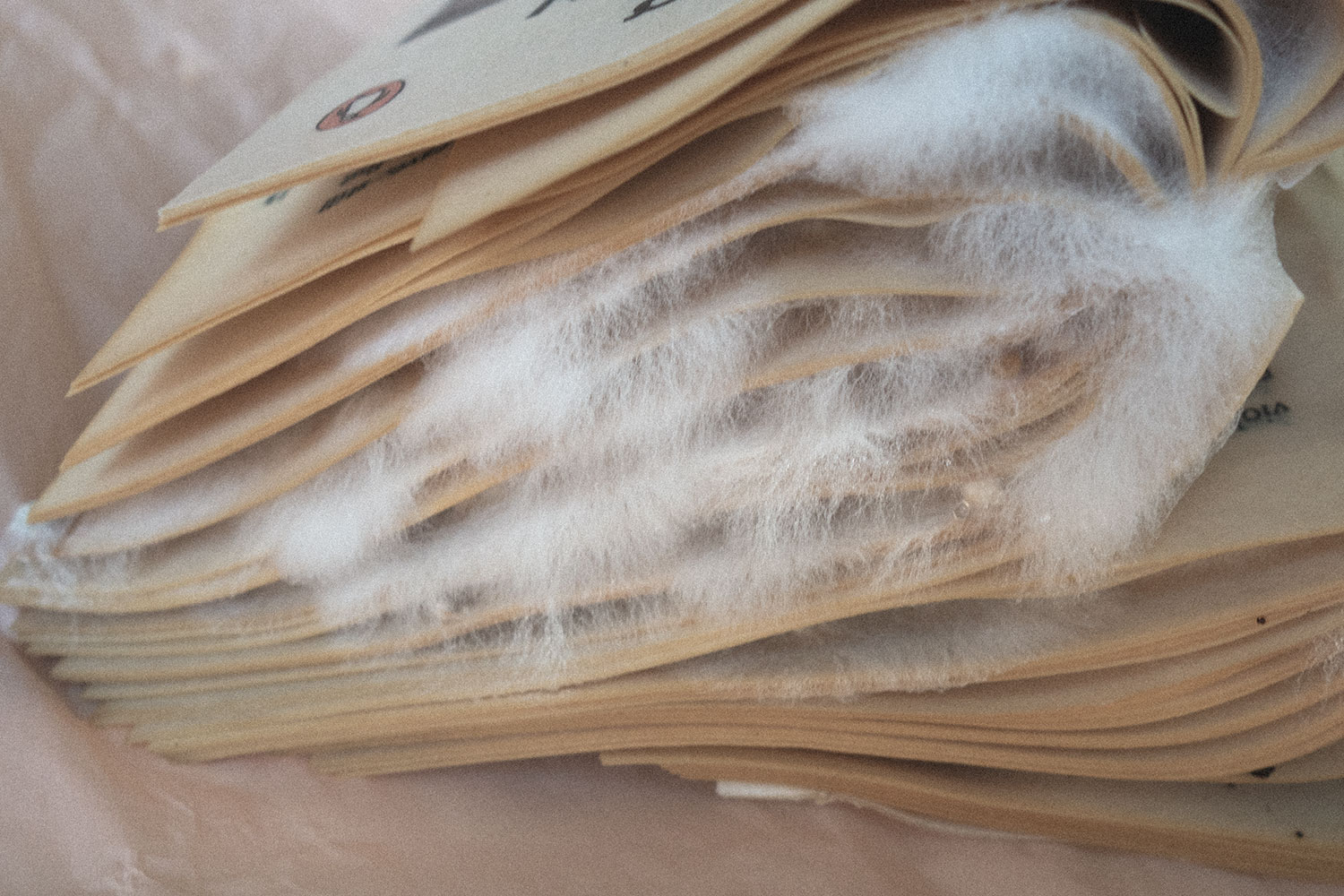
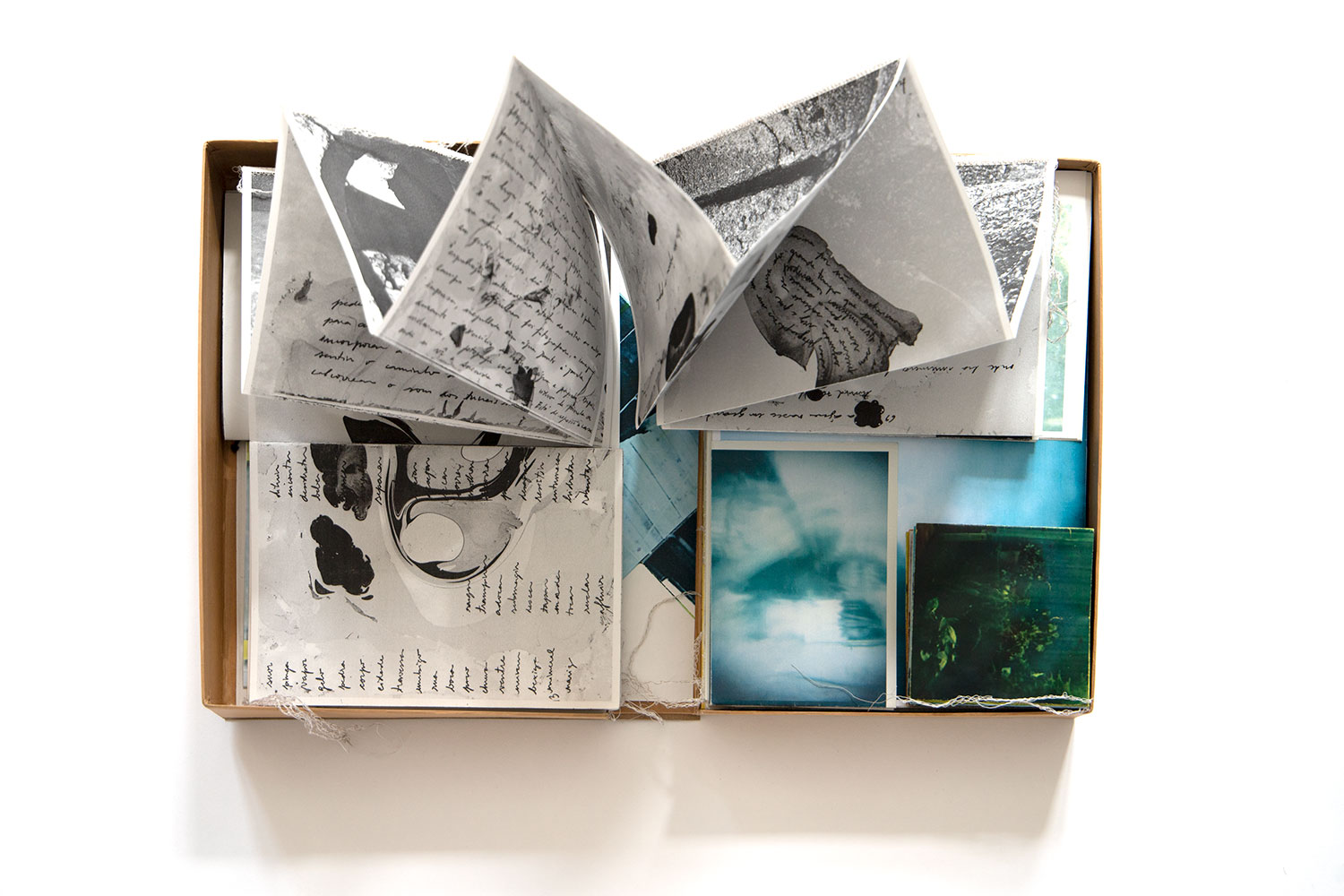
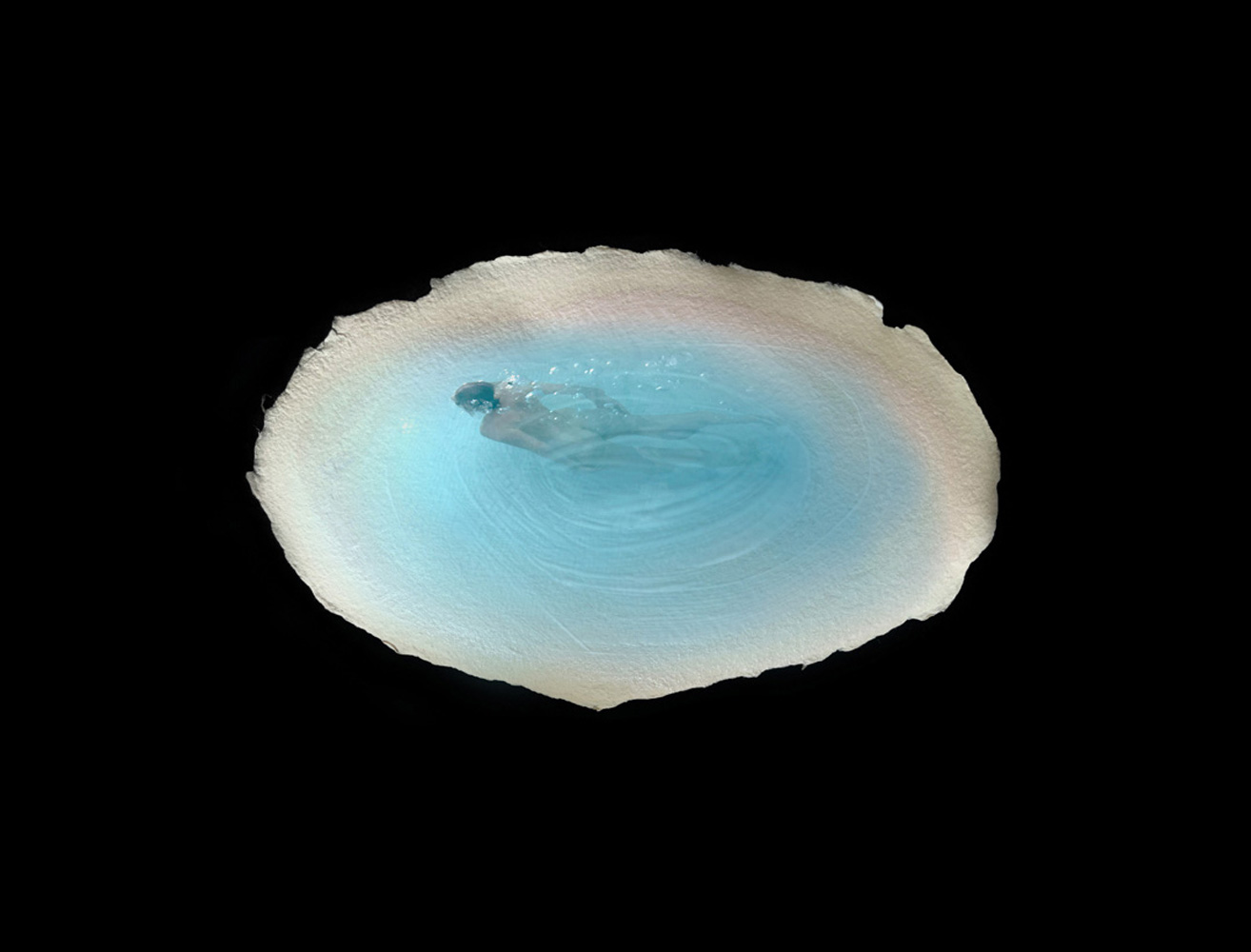
Ester Vonplon, Ieva Maslinskaitė, paula roush, and Sarah Schorr are photographers who, in their working process, deliberately relinquish absolute control, leaving room for chance. In their projects, they employ physical, chemical, or biological processes that are difficult to control and are rarely used by artists working with photography. Their images do not necessarily correspond to the conventional direct photographs with which we are familiar in everyday life; rather, their artistic practice emerges from a process of collaboration with the forces of nature. Water, light, and fungi become partners in the creative process.
In contemporary photography, the relationship between photography and nature has taken on new forms, giving rise to a desire to grant natural forces their own space, both concrete and symbolic, within the field of photographic creation. In a sense, this reflection represents a return to the origins of photography, when the relationship between the photographic image and nature was the subject of intense debate. At the time, photography was conceived as a kind of self-portrait of Mother Nature, produced almost spontaneously: photography was a “photogenic drawing or nature painted by herself” — as described by one of the pioneers of photography, Henry Fox Talbot (1800–1877). In keeping with this conception, Talbot entitled his work devoted to presenting the different possibilities and applications of photography The Pencil of Nature (1844–1846).
Newsletter
Main Sponsorship

Institutional partners










Partners





Special support

