Eviction
Imago Garage
Rua do Vale de Santo António 50A, 1170-381 Lisboa
16 . 10 . 2026 → 14 . 11 . 2026
wednesday - saturday → 02:30 pm – 06:30 pm
Artist
Ingmar Björn Nolting
Ingmar Björn Nolting (1995) lives and works as a freelance photographer in Leipzig, Germany. He holds a Master’s degree in Photography from the University of Applied Sciences and Arts in Dortmund and is a founding member of DOCKS Collective. Nolting is represented by laif agency and is a regular contributor to The New York Times. His work has been exhibited internationally, including at the Sprengel Museum Hannover, Willy-Brandt- Haus Berlin, Superraum Dortmund, Chungmu Art Center Seoul and the GAF Gallery Hannover. His photobooks include About The Days Ahead (2023) and A Year Along The Banks (2023). Nolting has received numerous honours, among them the Getty Images Reportage Grant, the Stiftung Kunstfonds Grant, the Leica Society International Grant and the Yves Rocher Photography Award.
ingmarnolting.de | @ingmarbnolting
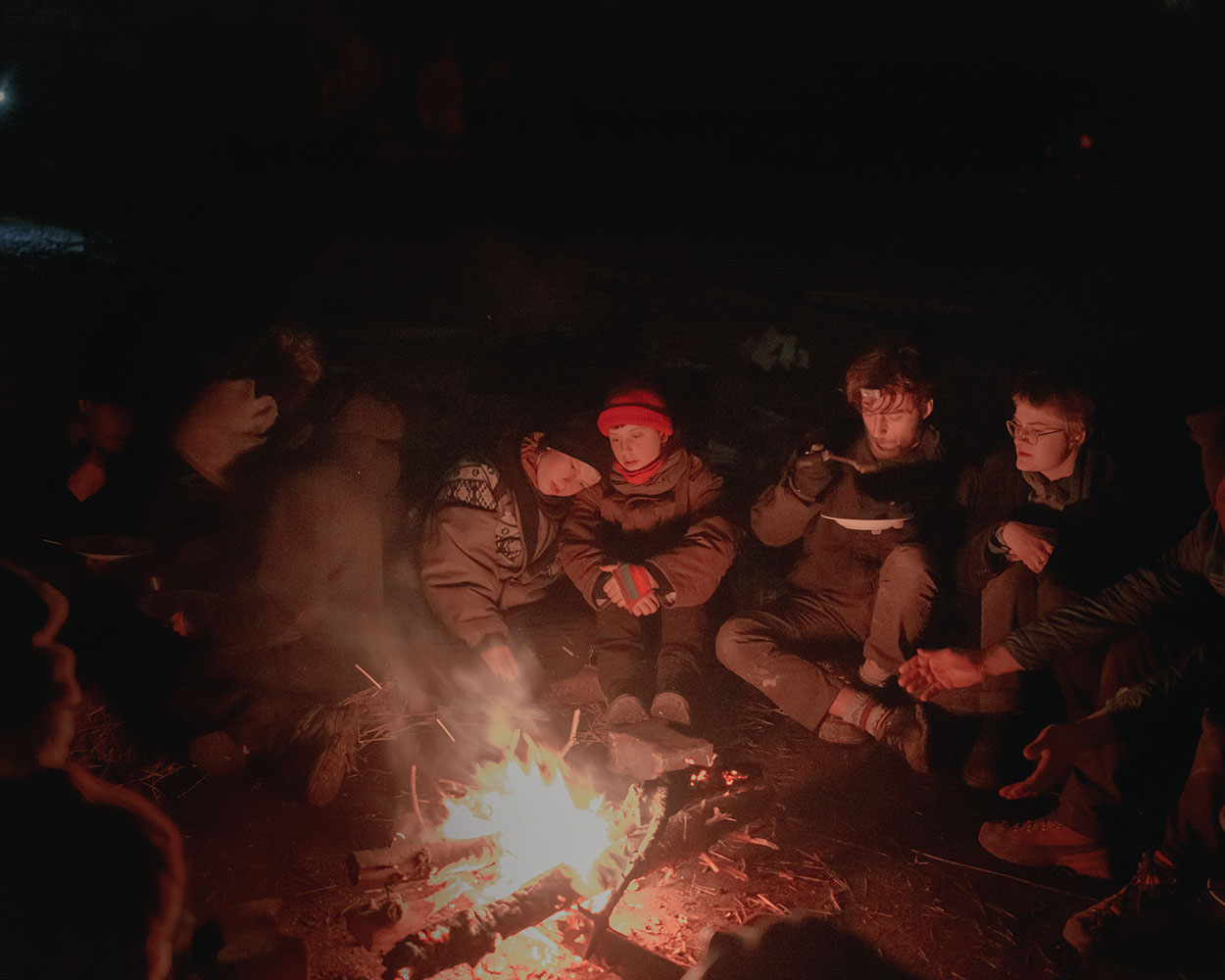
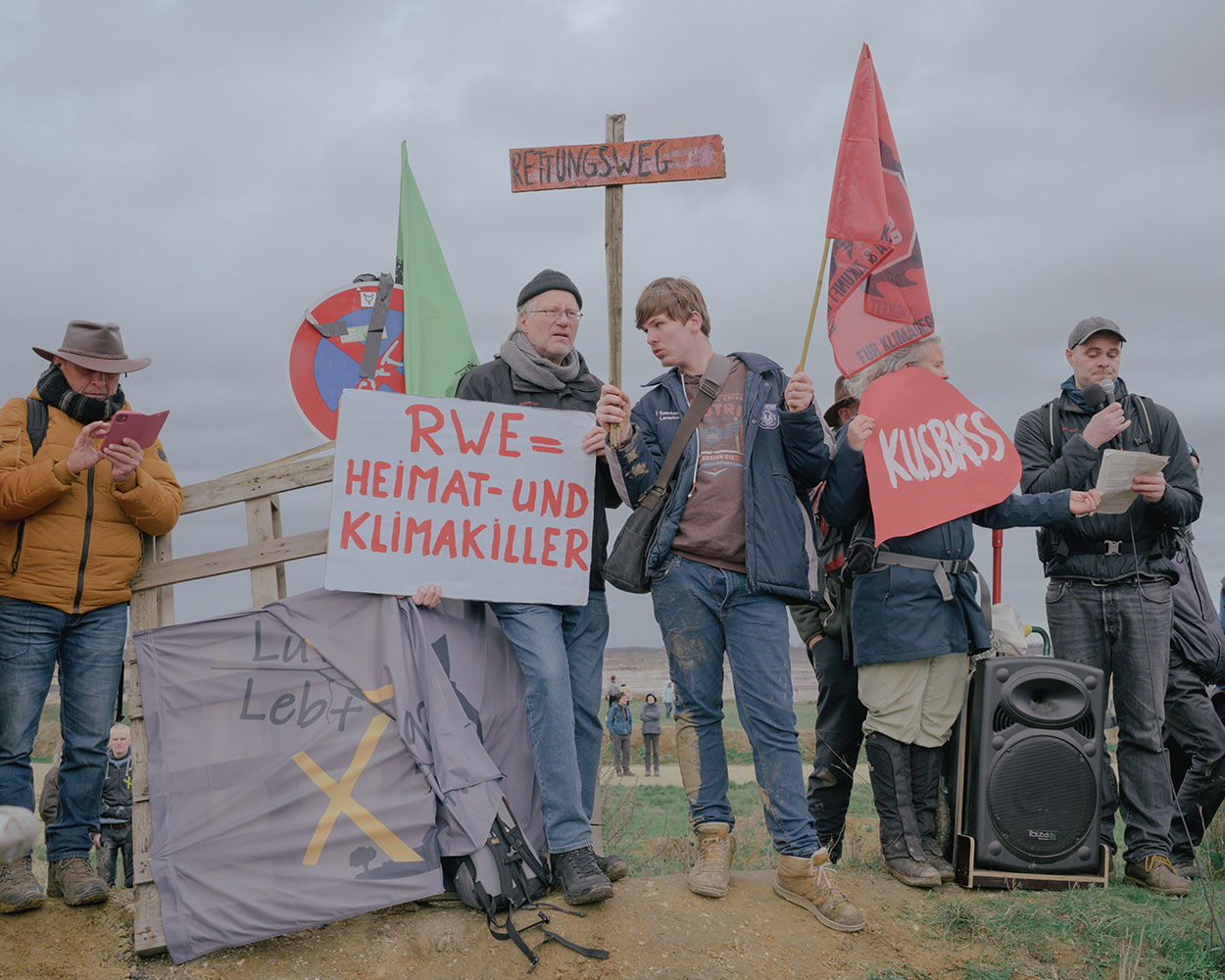
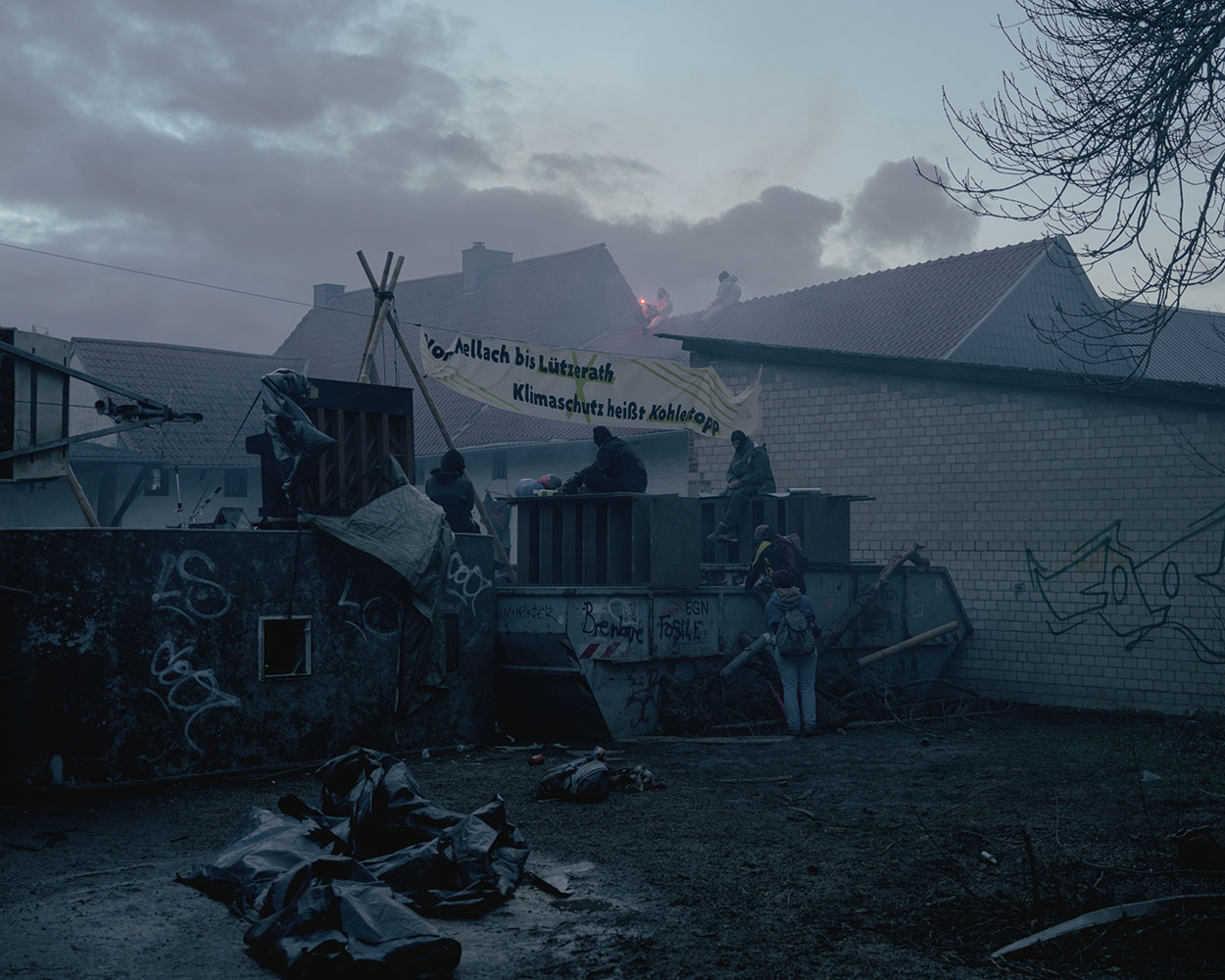
In 2020, environmental activists occupied the fields, houses and trees of Lützerath, a small village in the Rhineland coal-mining region of Germany. Most of the original inhabitants had long since left: they had been compensated and resettled. In their place, a fragile new community emerged: treehouses, improvised kitchens, daily meals prepared from donated food, and a network of solidarity.
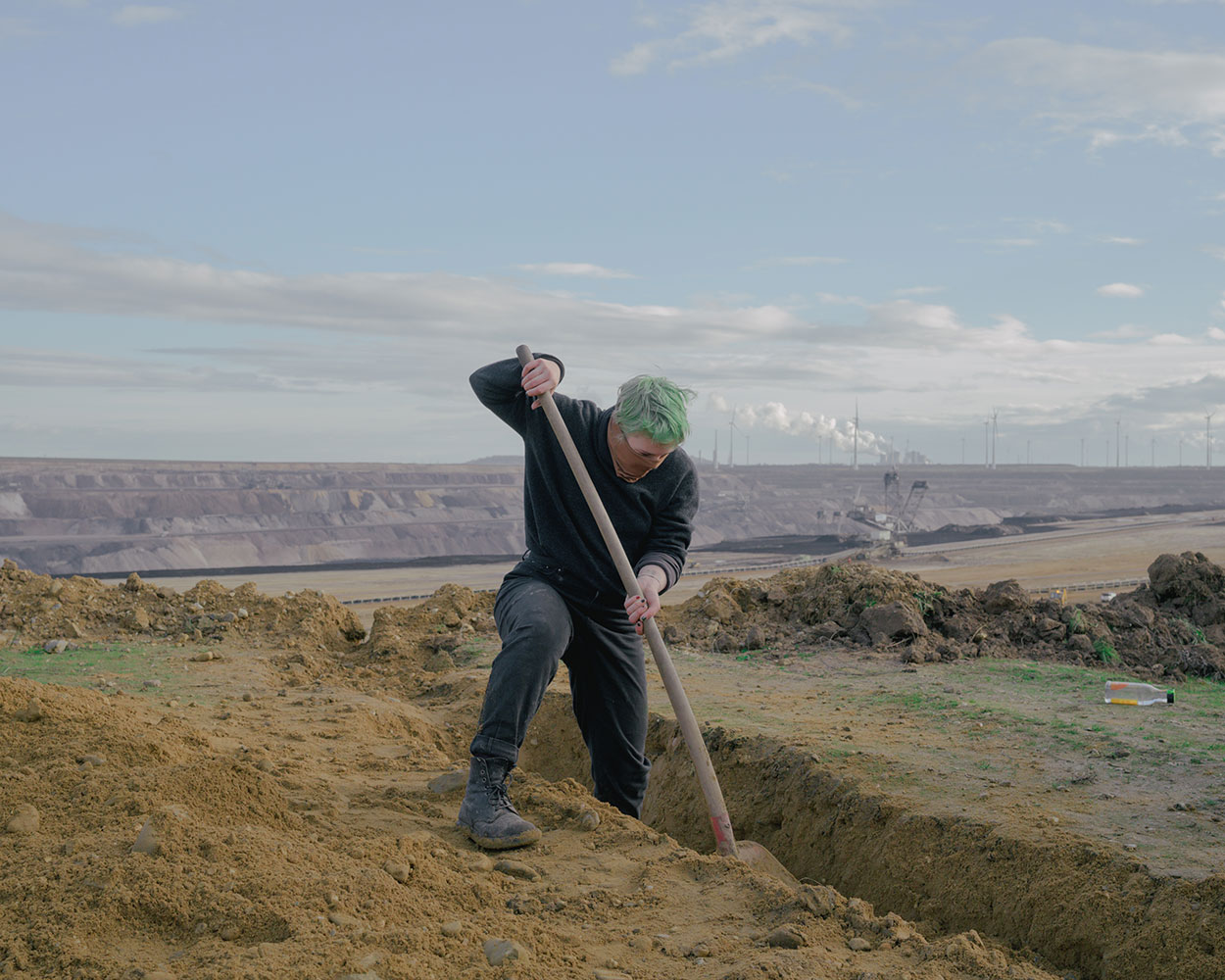
Beneath the village lay millions of tonnes of lignite that the energy company RWE planned to extract. In 2020, the German government had decided to phase out coal by 2038 at the latest. But the energy crisis following Russia’s invasion of Ukraine shifted priorities. As part of a political compromise, five partially resettled villages would be saved, yet Lützerath would be demolished. In exchange, the coal exit in North Rhine-Westphalia was brought forward to 2030.
Independent climate studies argued the coal was not needed, while government and industry reports claimed the opposite. For activists, the struggle was about more than one village: it was about the 1.5-degree target of the Paris Agreement and the future it symbolised.
When I first visited Lützerath in the summer of 2022, the atmosphere was cautious. Few wanted to speak, fearing repression. Months later, on the eve of the eviction, the mood had
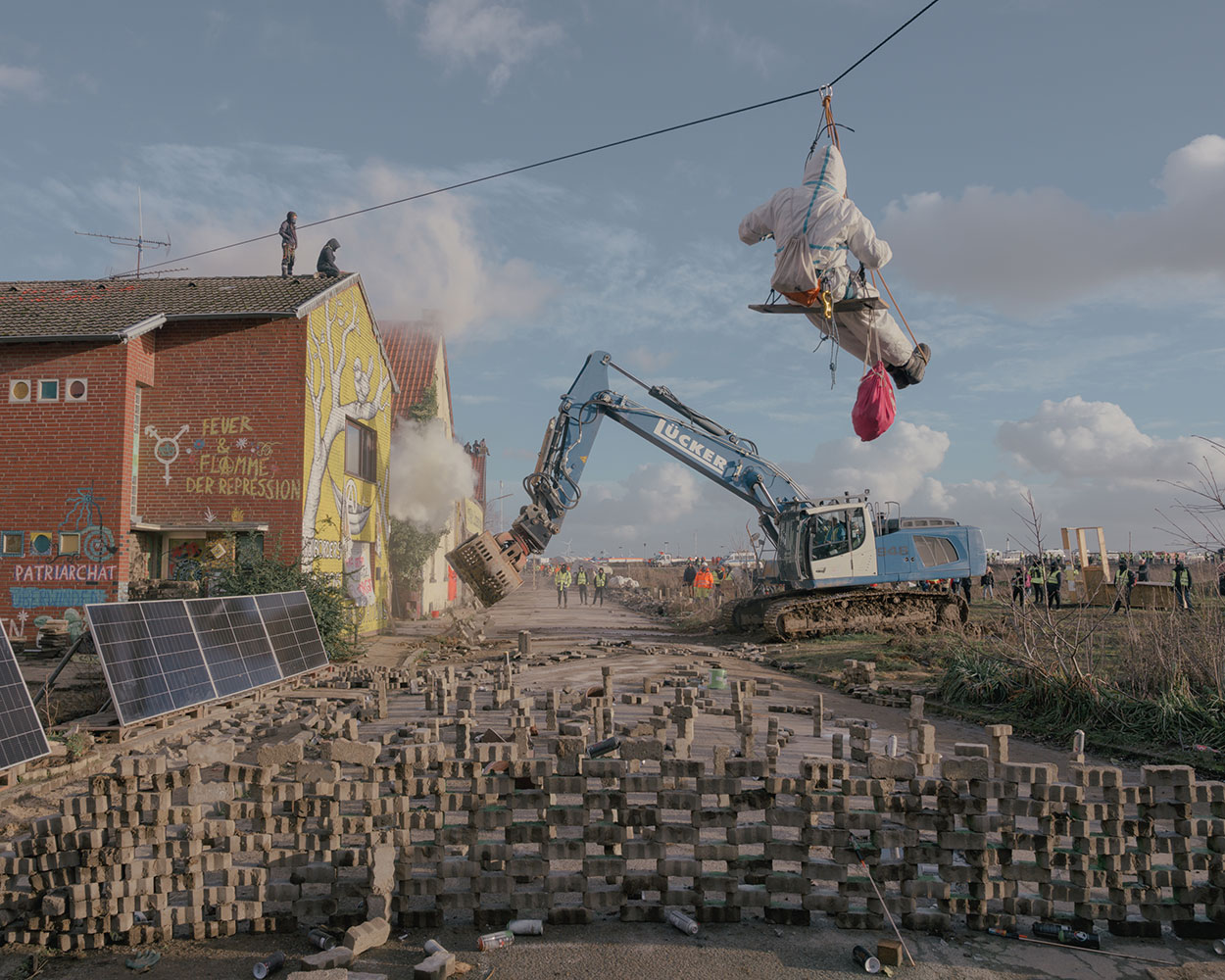
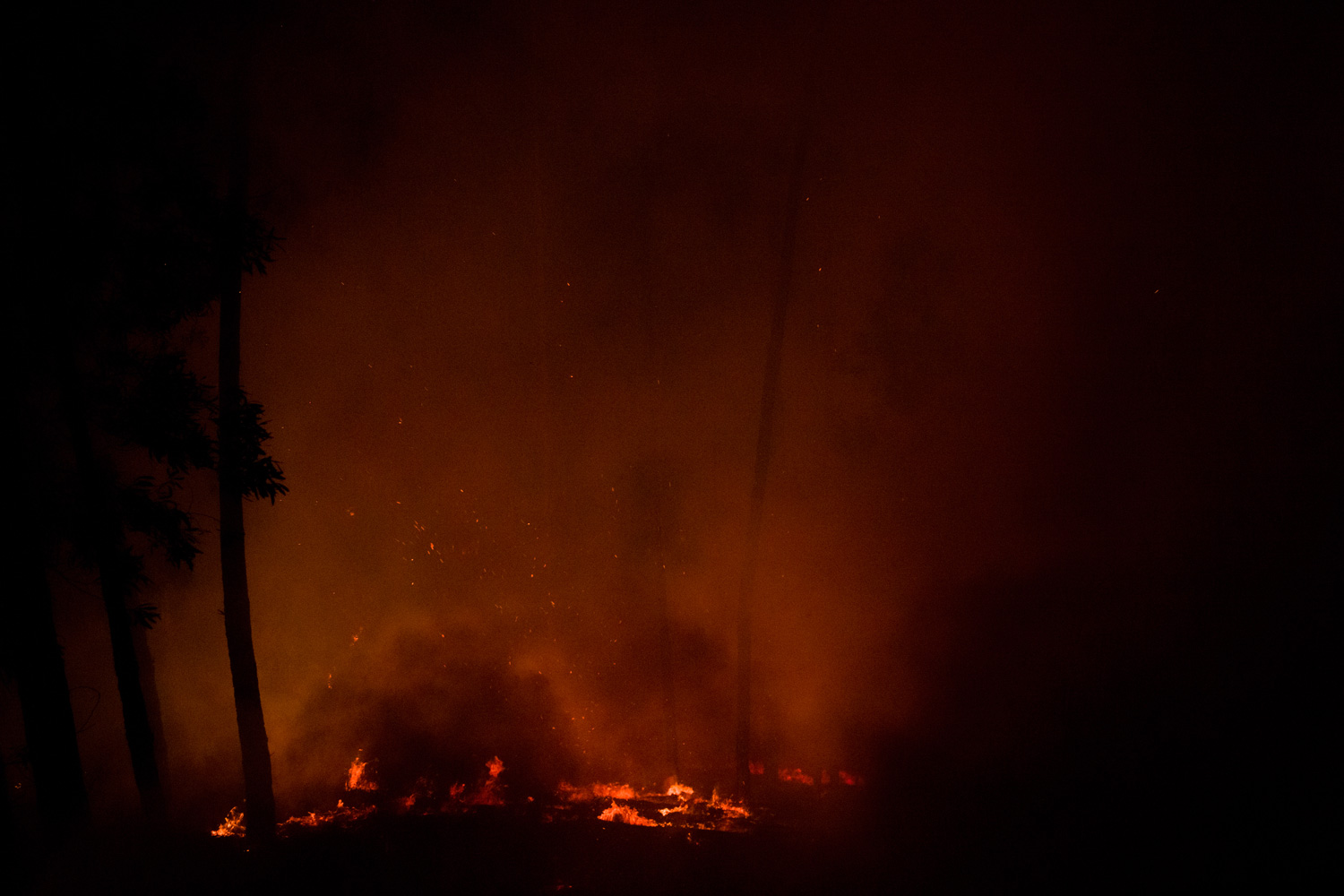
shifted. Fires burned on the asphalt, barricades of stones, logs and fences rose across the streets. The place resembled an anthill, urgent and restless. Resistance took many forms. Some chained themselves together in so-called lock-ons, others sat on rope platforms or occupied rooftops. Many sought to slow the clearance peacefully, with music, performances and shared rituals. For others, Lützerath was a last bastion of defiance not to be surrendered quietly.
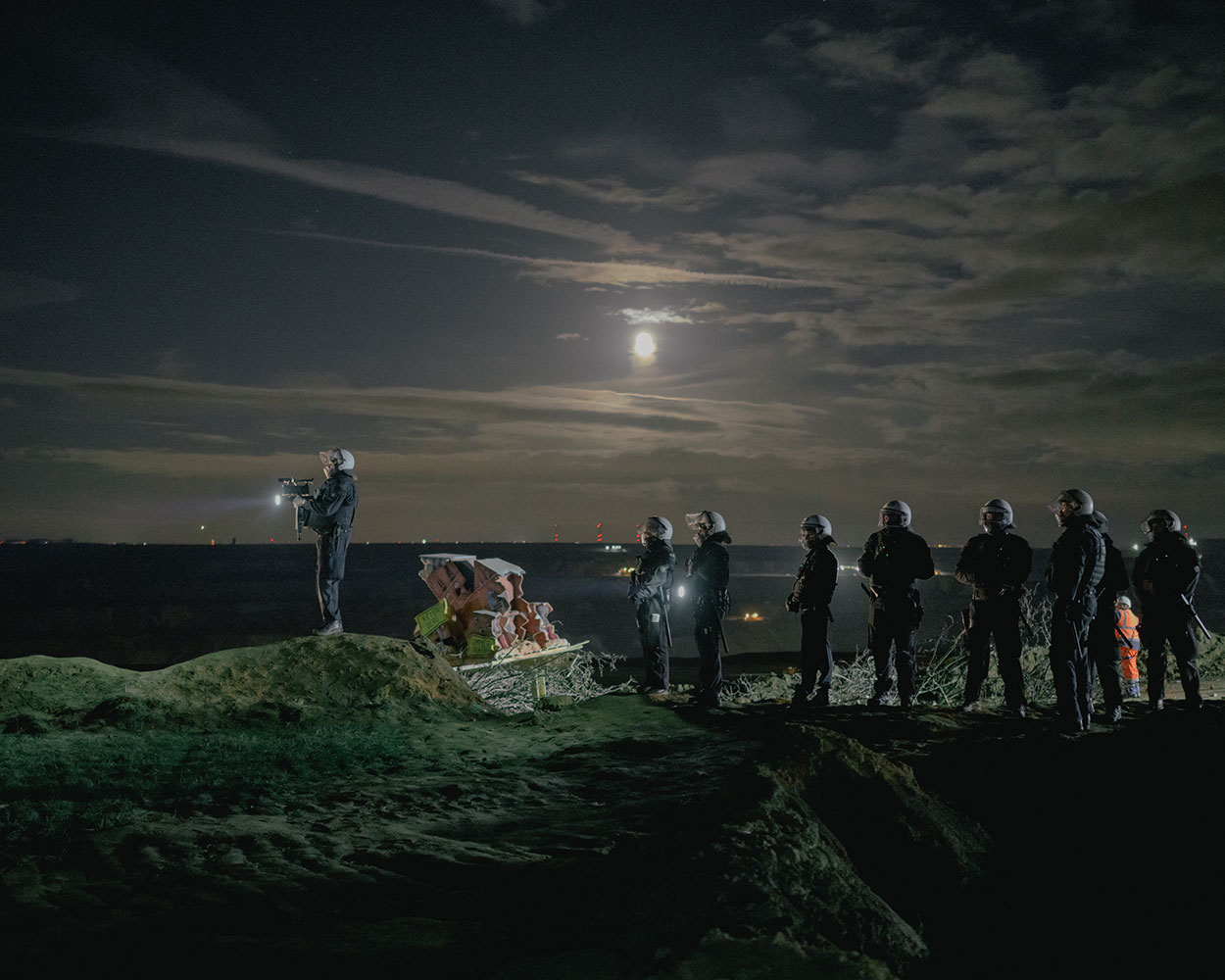
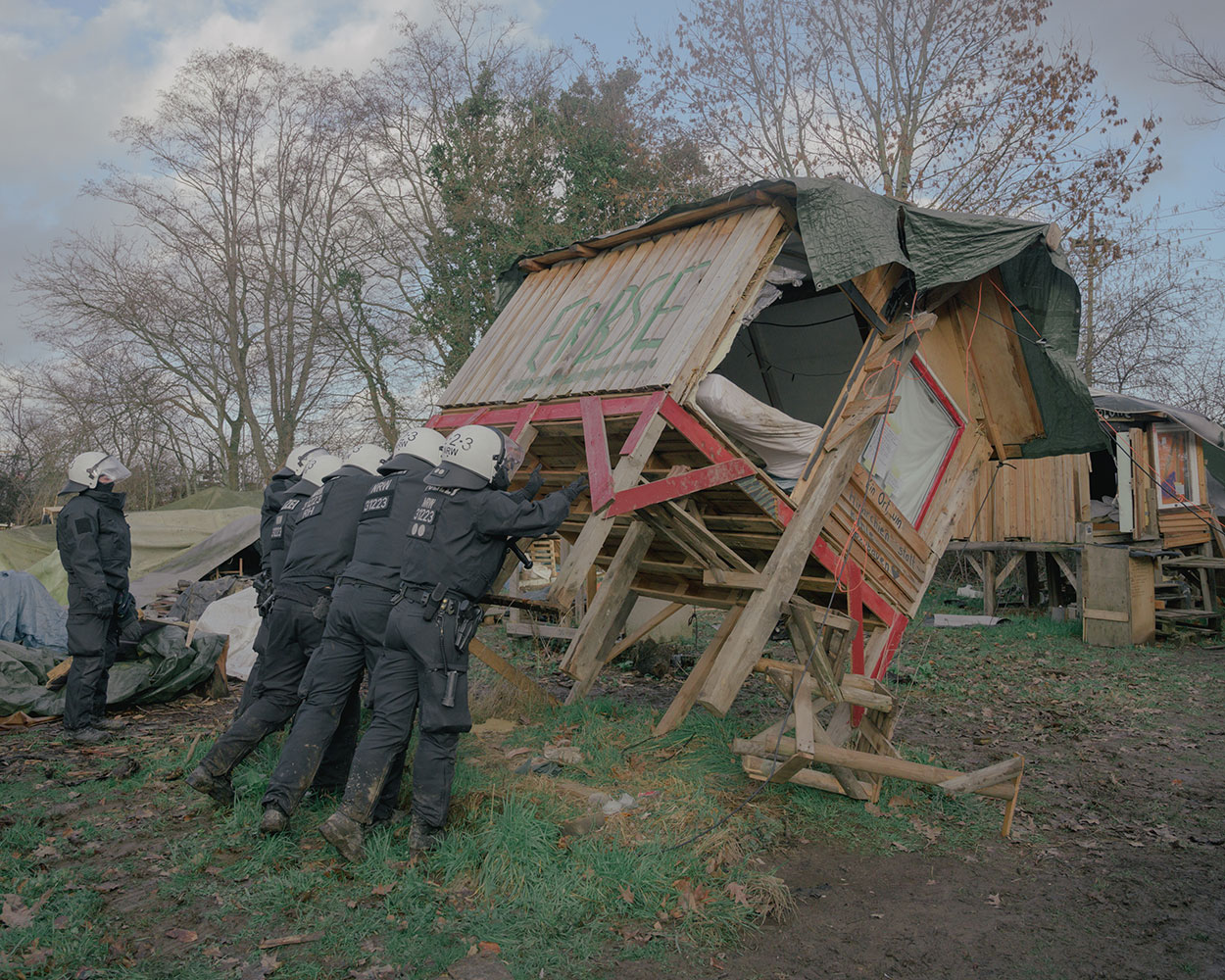
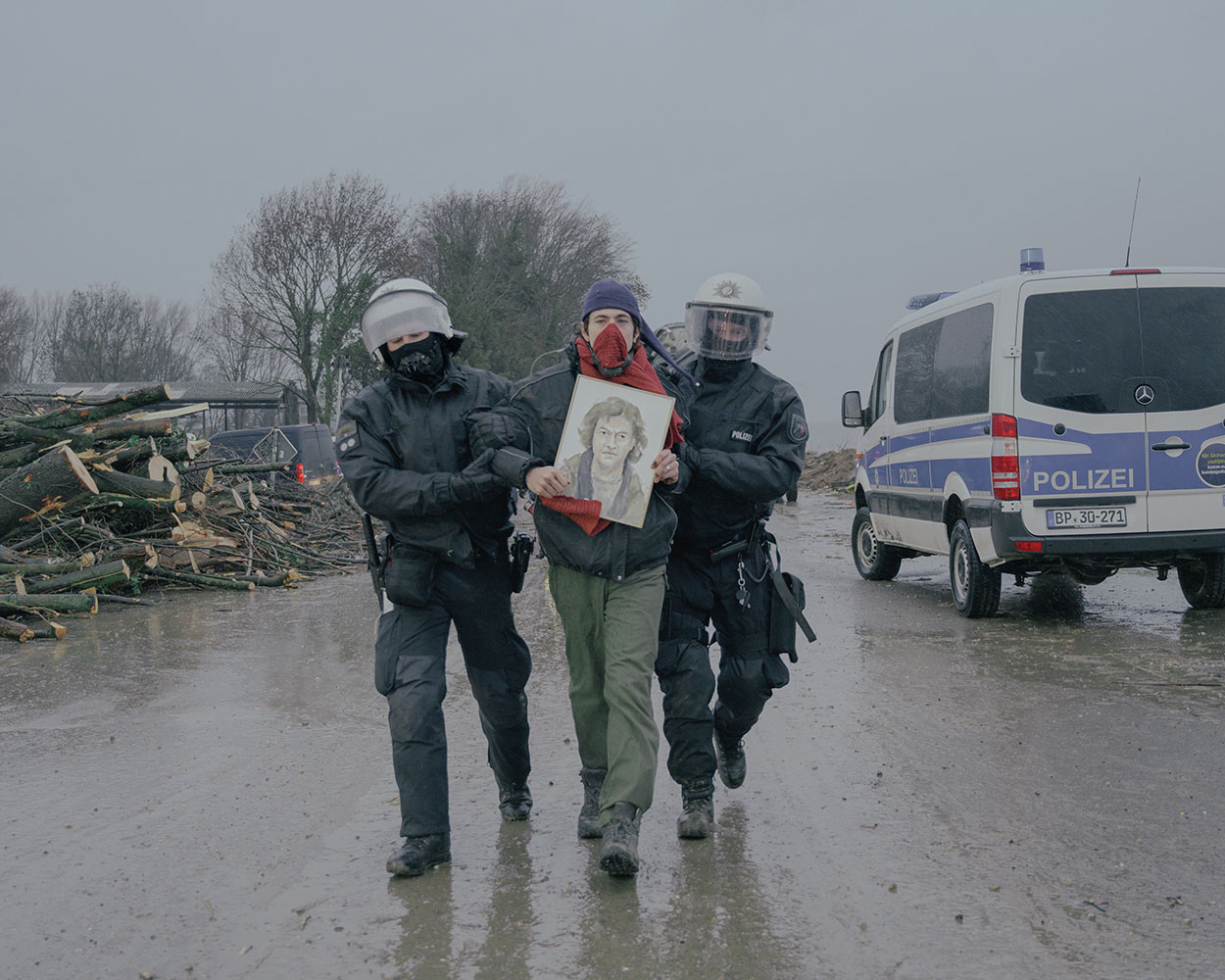
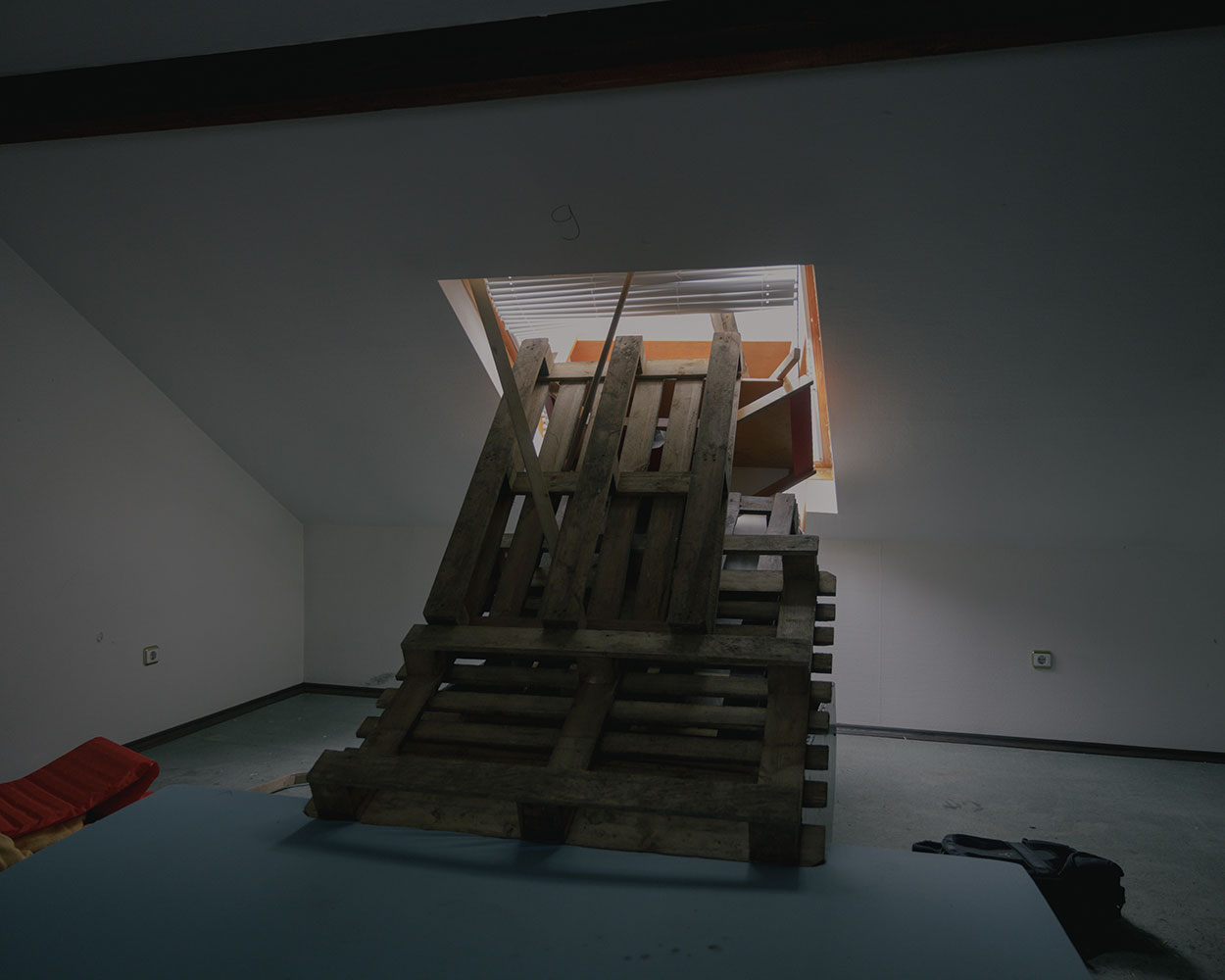
In January 2023, the eviction began. Hundreds of special police units advanced from all sides, dismantling barricades and carrying people away. Scenes at times resembled a stage play: smoke flares from the rooftops, chants echoing through the streets, sudden silence as barricades collapsed. In the Paula housing block, activists held out. Outside the village, tens of thousands marched through rain and mud a couple of days later, listening to Greta Thunberg and Luisa Neubauer. For a brief moment it seemed as if the crowds might break through to Lützerath. But the police lines held. Within days, the village was cleared. Lützerath, once a place of dreams and utopias, and a symbol of the climate movement, had become the fortress of an energy company.
Newsletter
Main Sponsorship

Institutional partners











Partners









Special support

